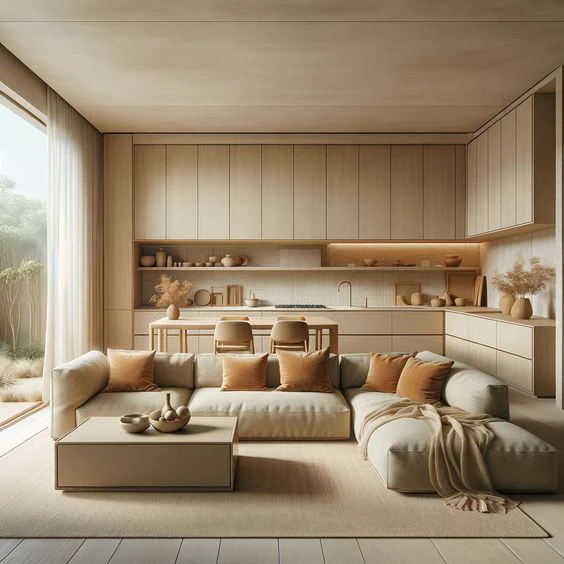
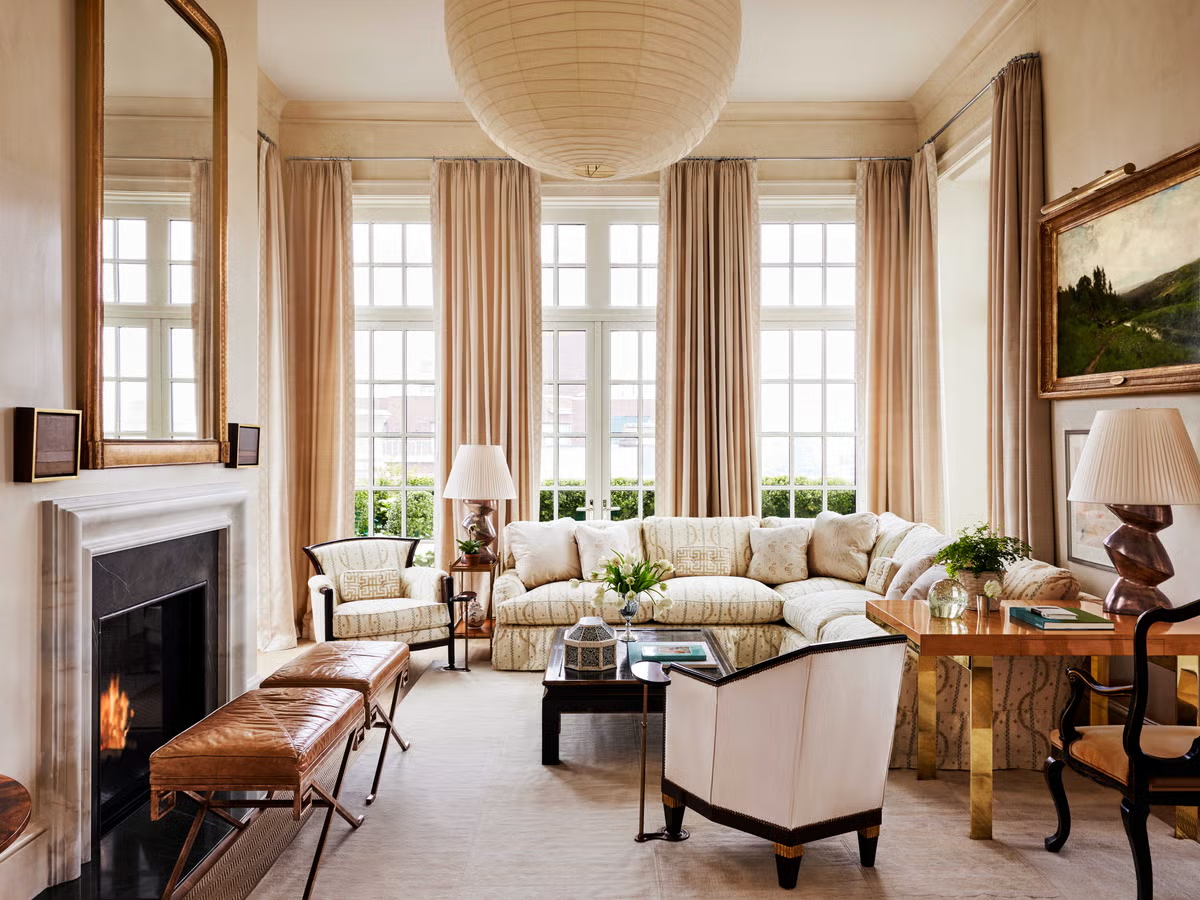
Modern Interior Style is one of the most popular design choices in American homes today — and for good reason. It feels clean without being cold, simple without being boring, and stylish without trying too hard.
If you love open spaces, natural light, neutral tones, and furniture with clean lines, modern interior design might be exactly what you’re looking for.
In this complete guide, you’ll learn:
- What modern interior style really means
- The key design elements
- Color palettes that work best
- Furniture and decor tips
- How to apply it room by room
- Common mistakes to avoid
Let’s break it down.
What Is Modern Interior Style?
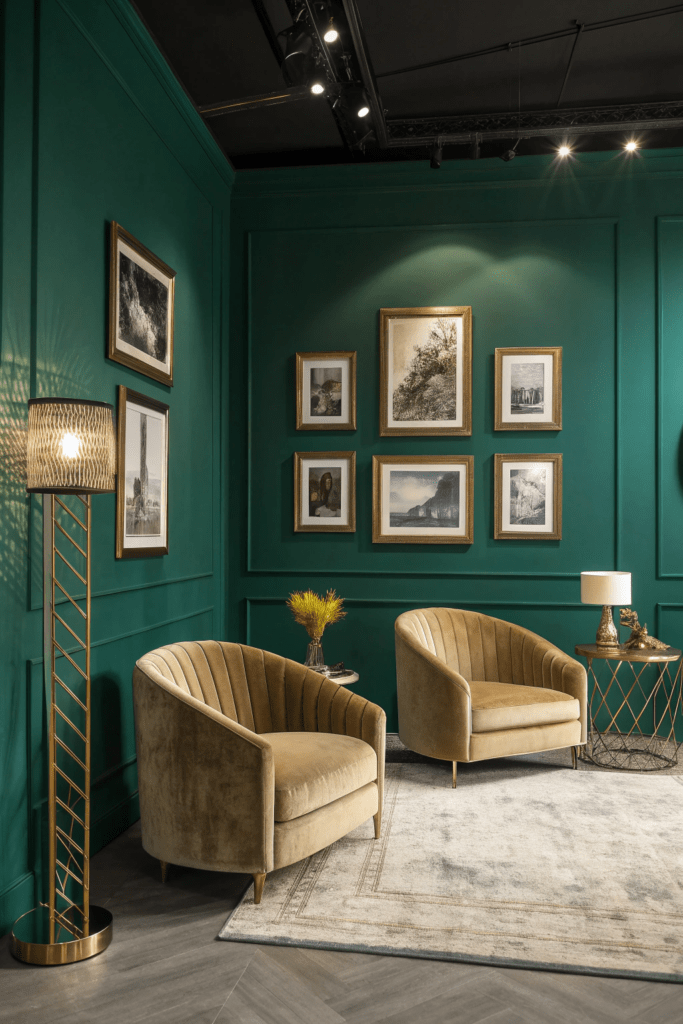
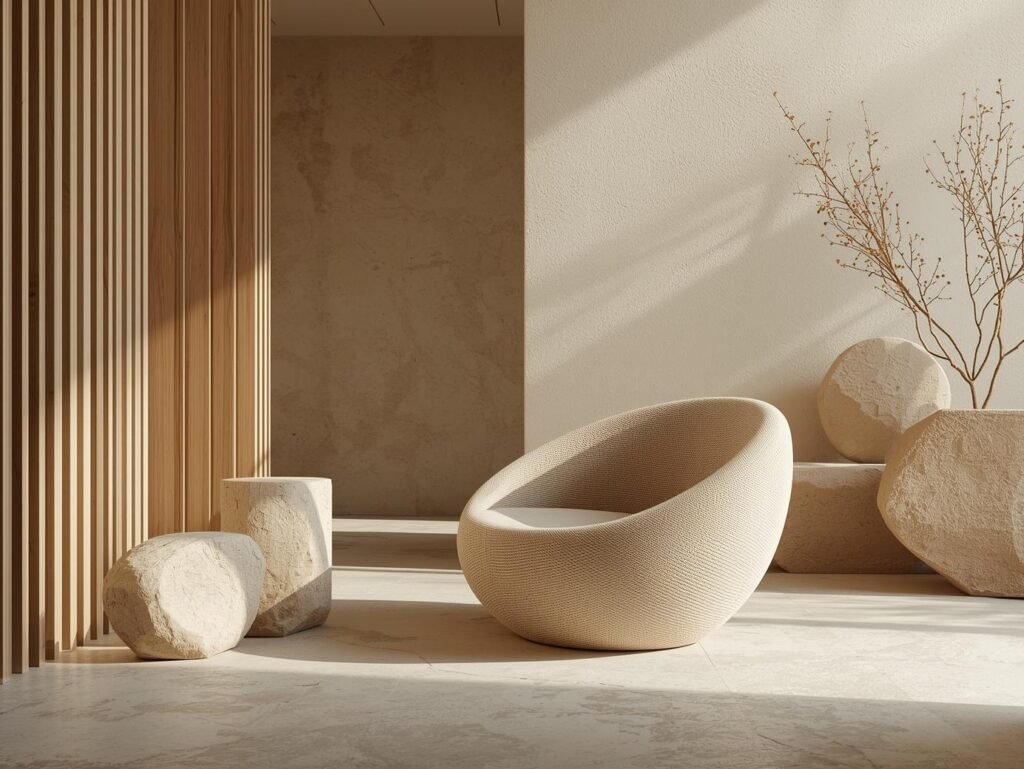
Modern interior style is rooted in early-to-mid 20th century design, especially the modernist movement. It focuses on function, simplicity, and clean architectural lines.
Unlike heavily decorated traditional interiors, modern spaces are intentional and uncluttered. Every piece has a purpose, and nothing feels excessive.
Core principles of modern interior design include:
- Clean, straight lines
- Minimal ornamentation
- Neutral color palettes
- Open floor plans
- Natural materials
- Emphasis on light
Modern doesn’t mean empty. It means edited. Instead of filling a room with decorative elements, modern design focuses on balance, proportion, and thoughtful placement.
Key Characteristics of Modern Interior Style
Understanding the defining features of modern interiors will help you recreate the look in your own home.
Clean Lines and Simple Forms
Modern design avoids curves, ornate details, and heavy decoration. You’ll typically see:
- Straight-edged sofas
- Flat-panel cabinets
- Rectangular or geometric tables
- Streamlined lighting fixtures
The overall look feels structured and calm. Visual noise is minimized, allowing architectural features and materials to stand out.
Neutral Color Foundations
Modern interiors typically start with a neutral base. Common foundation colors include:
- White
- Off-white
- Light gray
- Beige
- Warm taupe
These tones create a soft and cohesive backdrop. From there, subtle contrast can be introduced through darker accents or natural materials.
The key is restraint. Modern spaces rarely use bold patterns or bright color explosions. Instead, they rely on layering tones within the same color family.
Natural Materials and Honest Textures
Modern design embraces authenticity. Instead of ornate finishes, it highlights the beauty of raw and natural materials such as:
- Wood (oak, walnut, maple)
- Stone
- Leather
- Metal
- Glass
Texture becomes the visual interest. A walnut coffee table, a linen sofa, or a concrete accent wall can add depth without cluttering the space.
Open and Airy Layouts
Modern homes often feature open-concept living areas that connect the kitchen, dining, and living spaces seamlessly.
You’ll typically notice:
- Large windows
- Minimal window treatments
- Clear walking paths
- Balanced furniture spacing
The goal is flow and functionality. Nothing should block natural movement or light.
Modern Interior Color Palettes
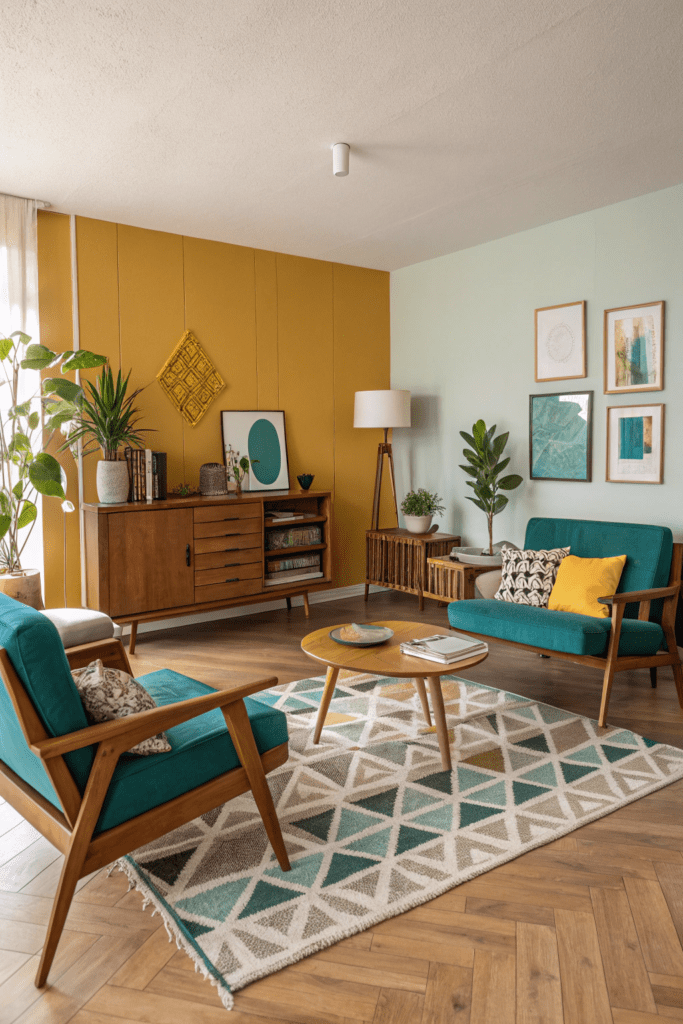
Color plays a foundational role in modern interior style. The palette sets the mood and defines the visual harmony of the space.
Here are some timeless modern color combinations:
Neutral and Layered
- Warm white
- Light gray
- Soft beige
- Natural wood tones
This combination creates a calm and sophisticated atmosphere. It’s ideal for homeowners who want a timeless and flexible foundation.
Black and White Contrast
- Crisp white walls
- Matte black accents
- Light wood to soften contrast
This palette adds boldness without overwhelming the space. It works especially well in living rooms and kitchens.
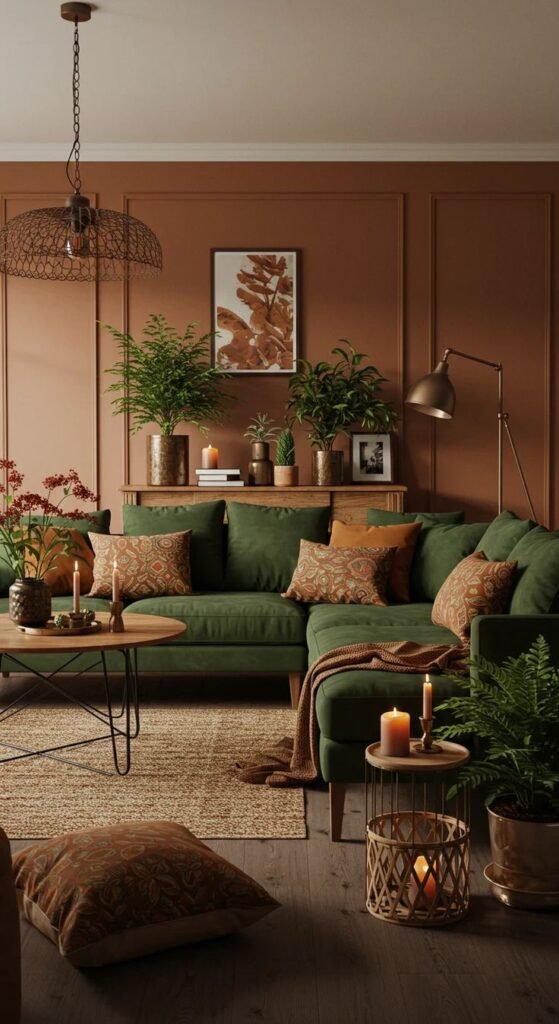
Earthy Modern
- Olive green
- Warm clay or terracotta
- Cream
- Walnut wood
Earthy tones bring warmth into modern interiors while maintaining simplicity.
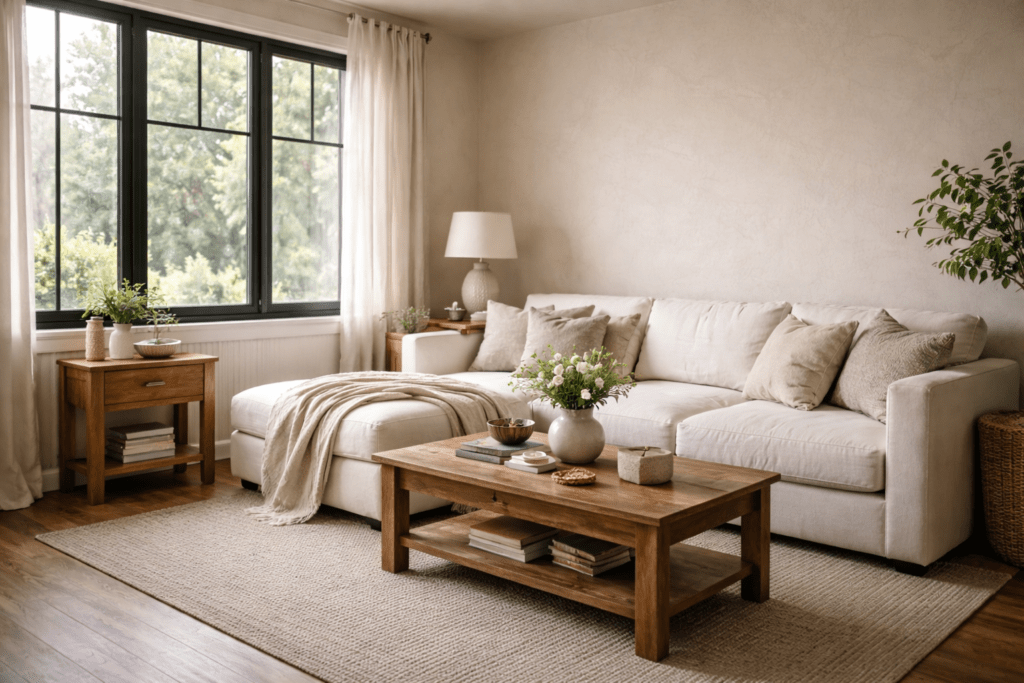
Soft Warm Modern
- Taupe
- Sand
- Warm ivory
- Brushed brass accents
This palette is perfect for making modern interiors feel cozy rather than sterile.
As a general rule, limit each room to two or three dominant colors. Too many competing tones can disrupt the clean modern aesthetic.
Furniture in Modern Interior Design
Furniture in modern interiors follows one guiding principle: form follows function.
Each piece should serve a purpose and contribute to the overall balance of the room.
Look for:
- Low-profile sofas
- Clean-lined sectionals
- Slim metal or wooden legs
- Minimal detailing
- Solid fabrics without busy prints
- Streamlined storage solutions
Avoid:
- Ornate carvings
- Heavy traditional silhouettes
- Decorative trims
- Overly bulky furniture
Modern furniture often appears visually lighter, even when it’s substantial in size. Proportion and spacing matter just as much as style.
Lighting in Modern Homes
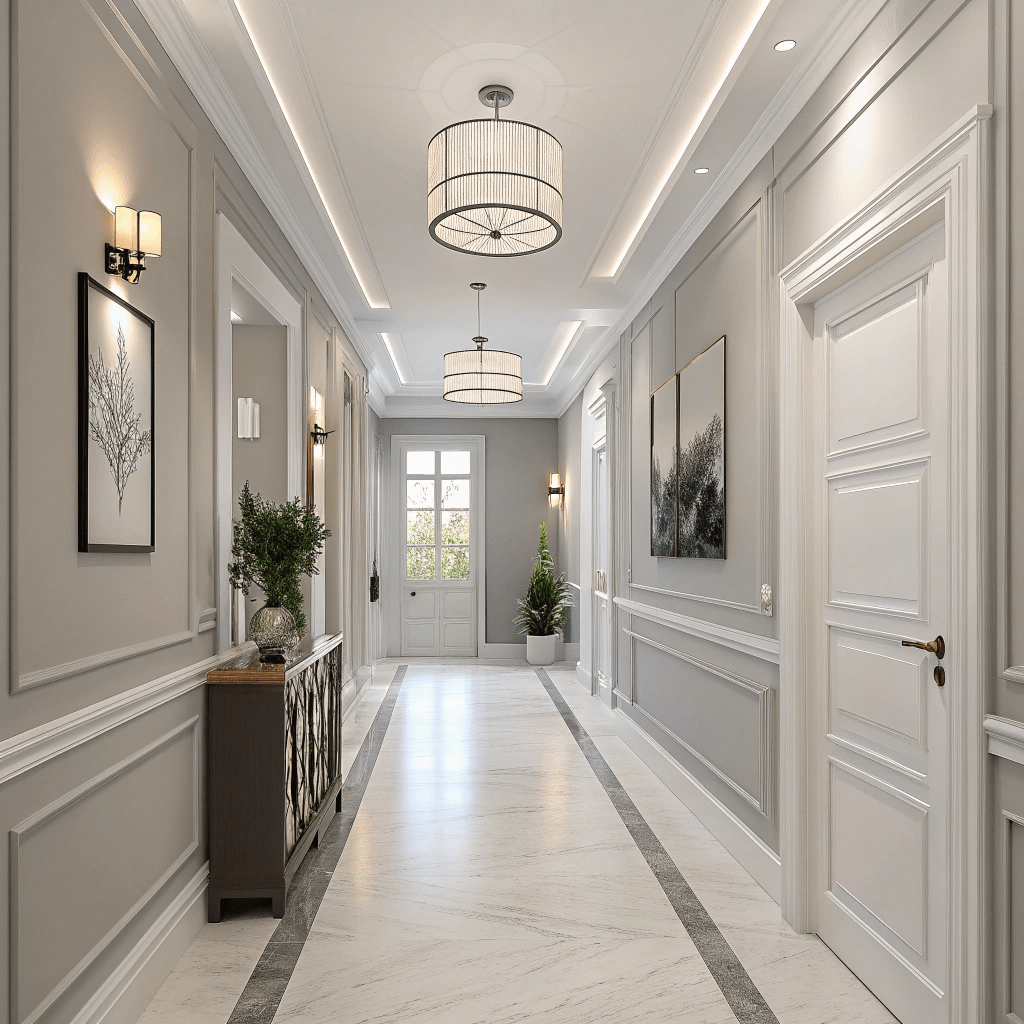
Lighting is one of the most important elements in modern interior style. It shapes the atmosphere and enhances architectural features.
Natural Light First
Modern interiors prioritize daylight. Large windows, sliding glass doors, and minimal curtains help maximize brightness.
Sheer or light-filtering window treatments are preferred over heavy drapes.
Layered Artificial Lighting
In addition to natural light, modern homes incorporate layered lighting, including:
- Recessed ceiling lights
- Simple pendant fixtures
- Floor lamps with slim silhouettes
- LED strip accent lighting
Lighting should feel intentional and balanced, not overly decorative. The fixture design should complement the clean aesthetic of the space.
Modern Living Room Ideas
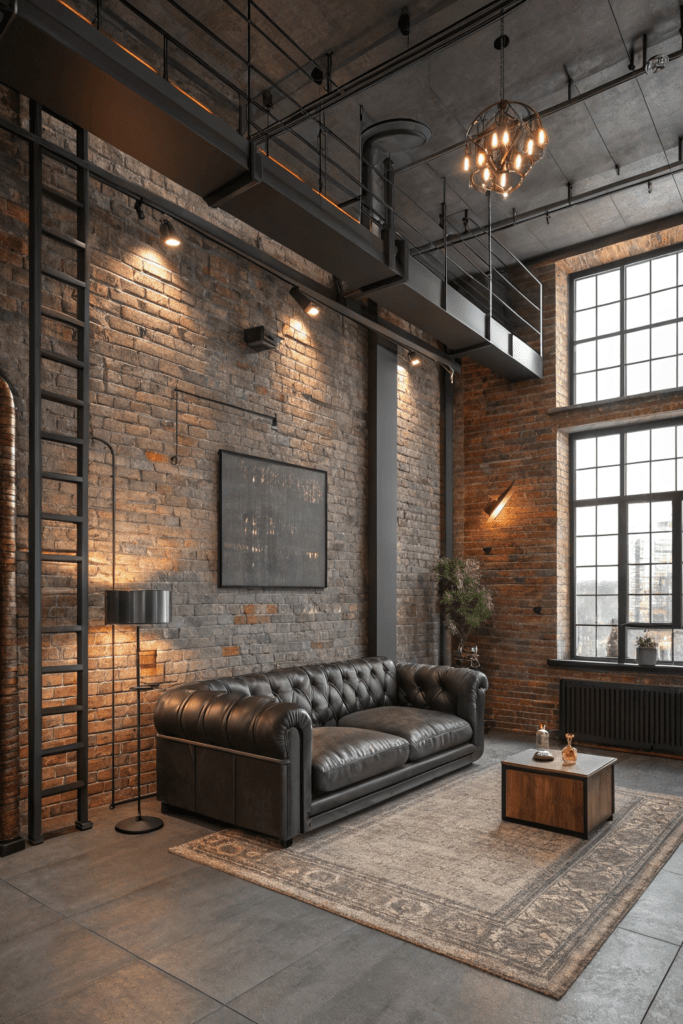
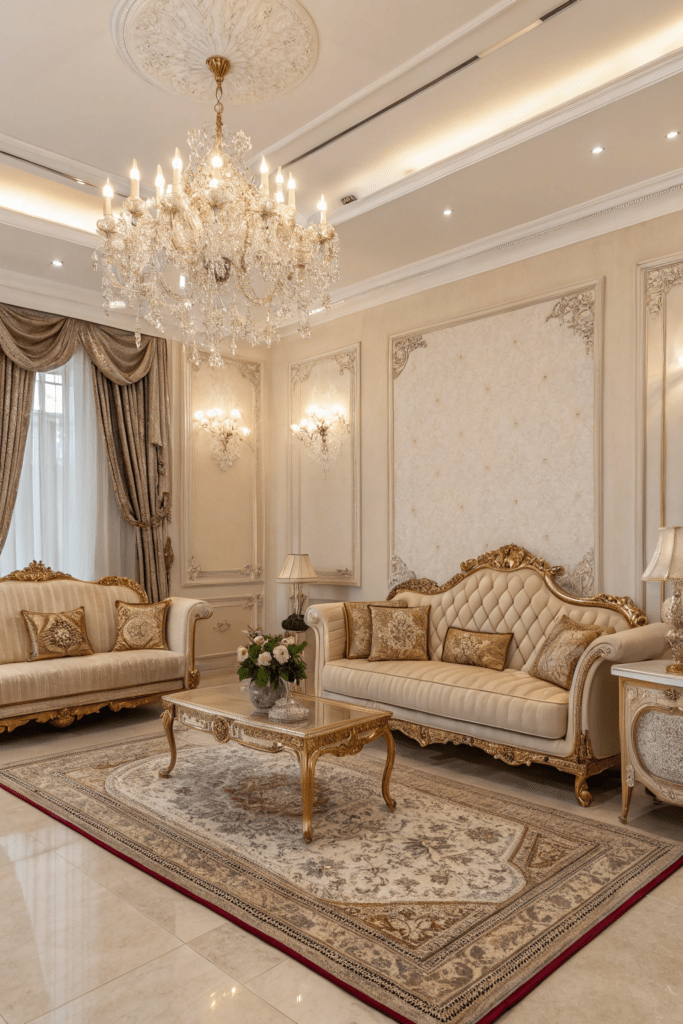
A modern living room should feel open, breathable, and comfortable.
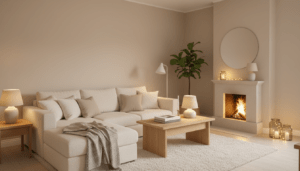
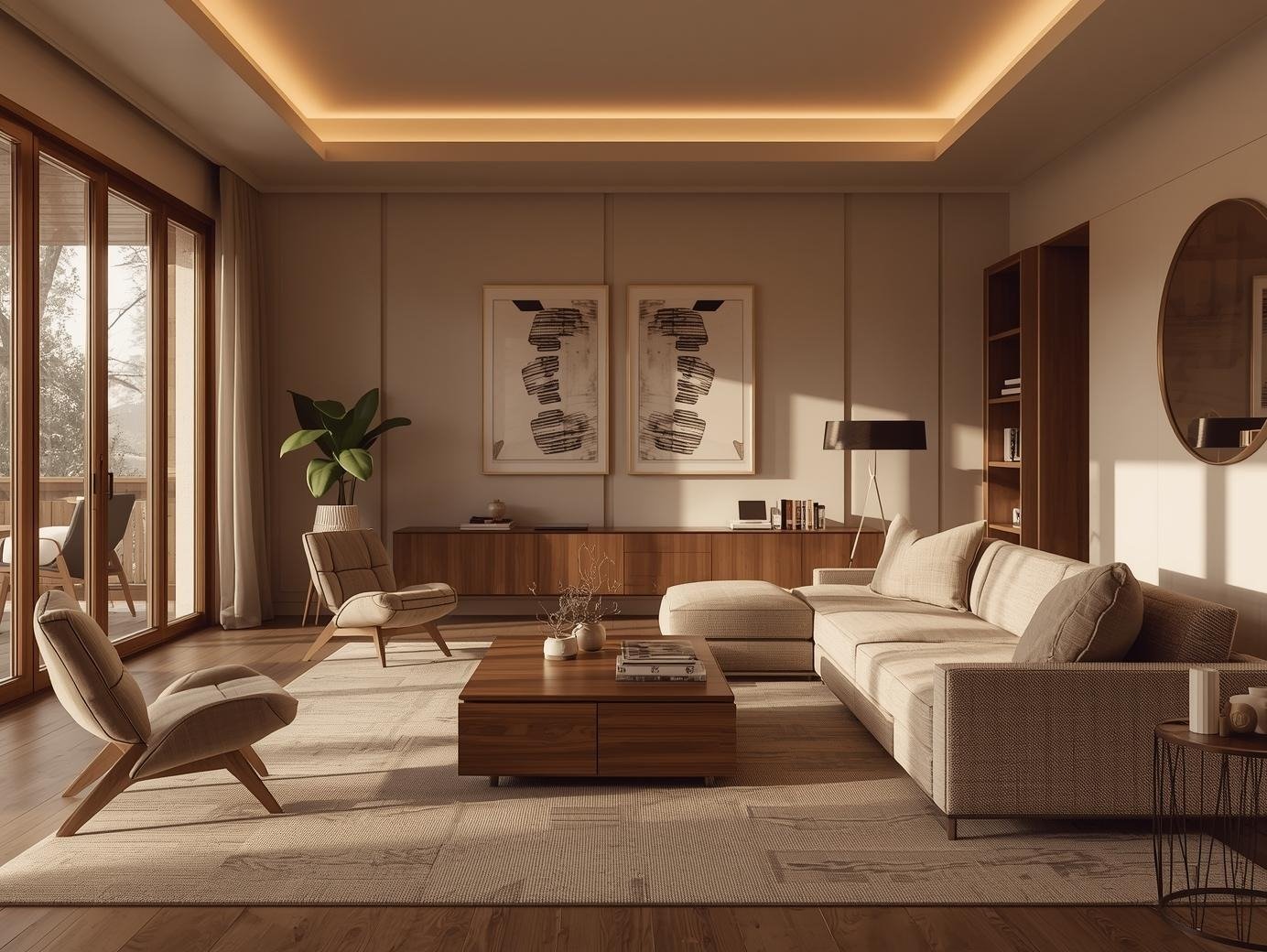
Start with a neutral sofa in white, beige, or gray. Pair it with a simple wooden or glass coffee table. Add one large statement artwork instead of multiple small frames.
Incorporate one or two indoor plants to introduce organic texture. Keep surfaces uncluttered and avoid excessive decorative accessories.
The goal is to create a relaxed and functional environment that still feels refined.
Modern Kitchen Design
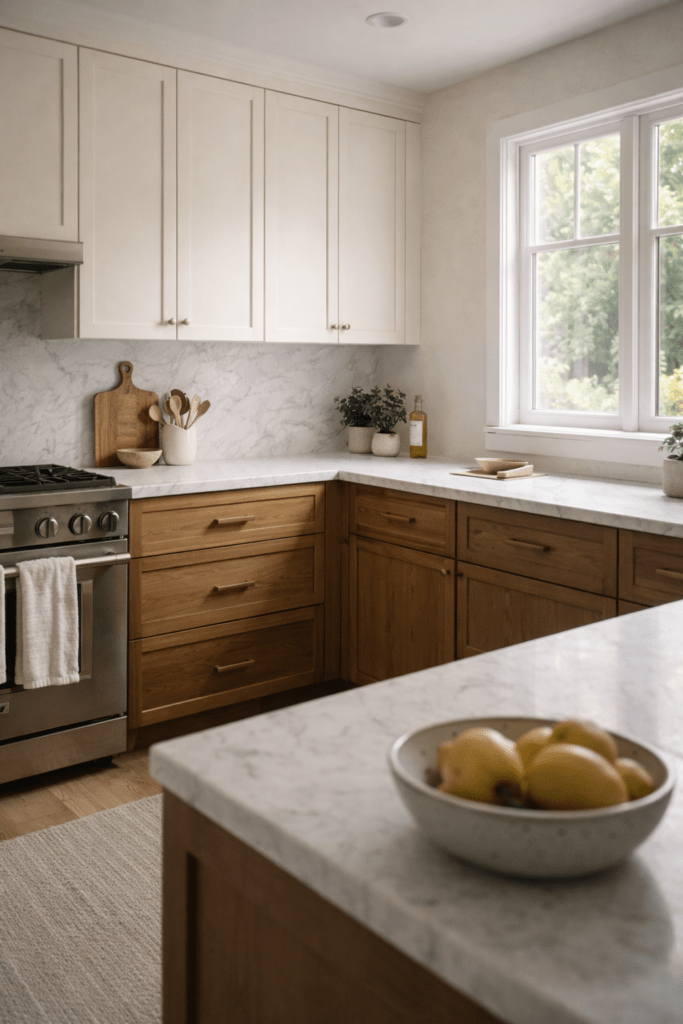
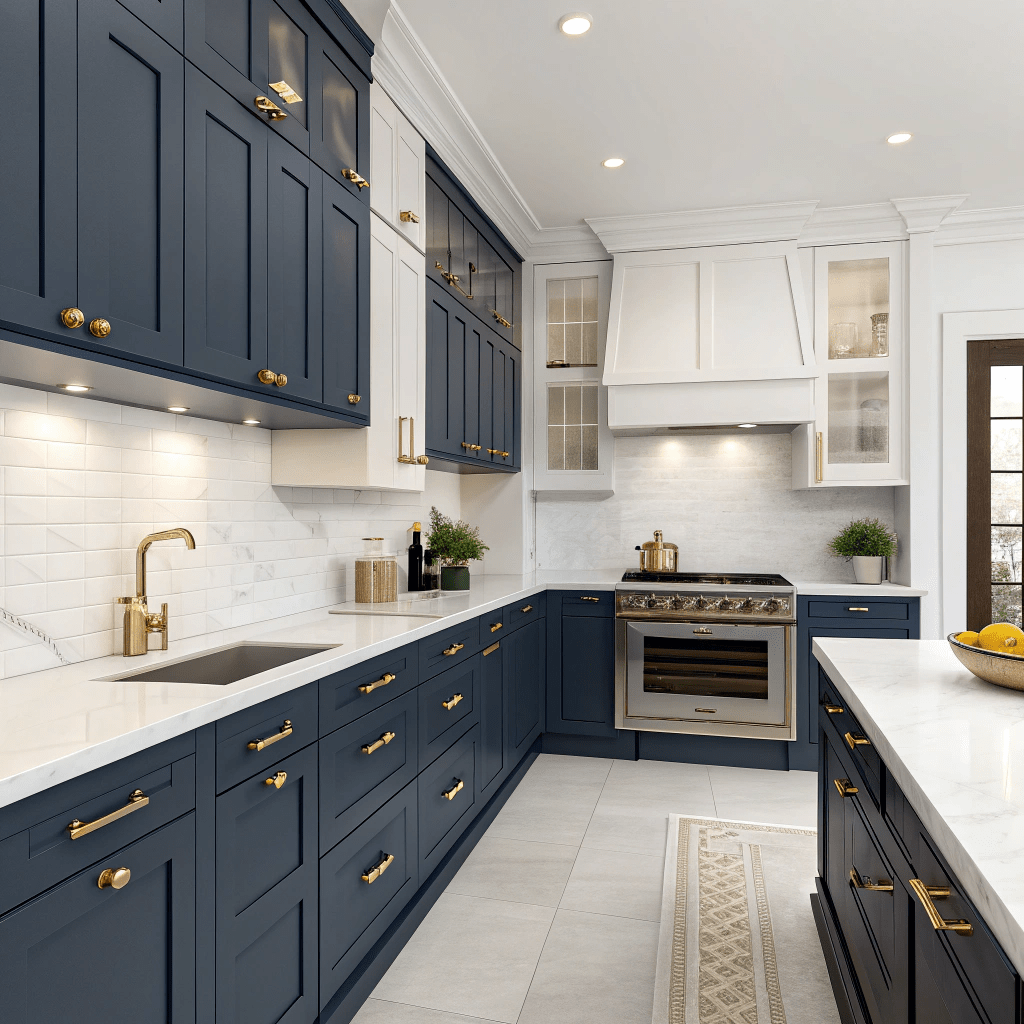
Modern kitchens emphasize simplicity and efficiency.
Common features include:
- Flat-front cabinets
- Handleless drawers
- Quartz or stone countertops
- Stainless steel appliances
- Minimal open shelving
Stick to two or three primary colors, such as white cabinets, light wood flooring, and black hardware. Avoid ornate backsplash patterns or heavy decorative elements.
The result should feel streamlined and cohesive.
Modern Bedroom Design
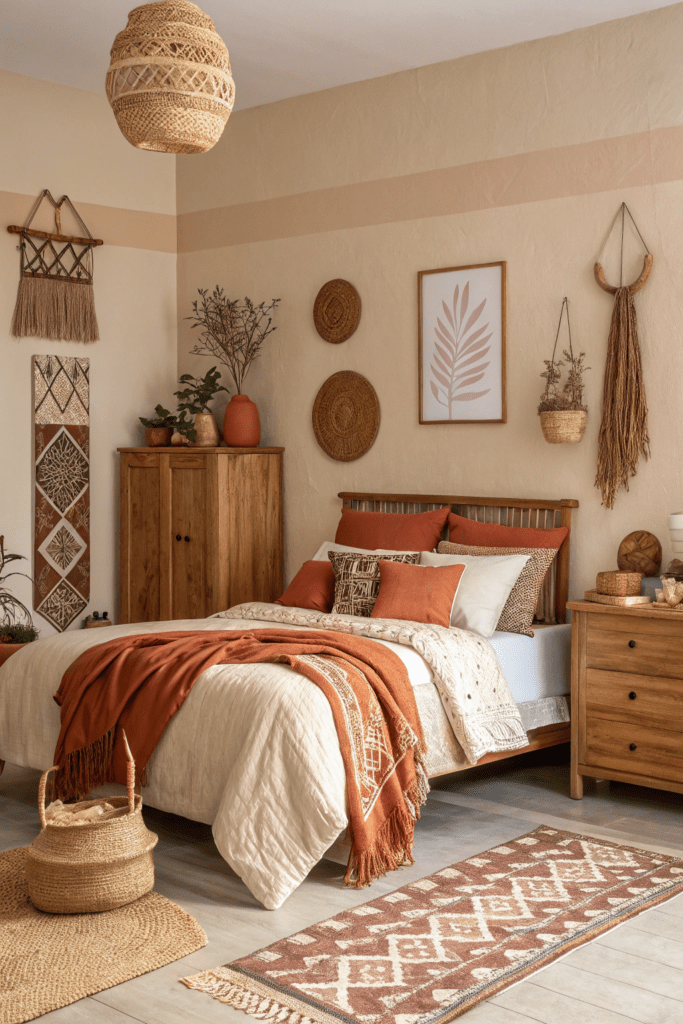
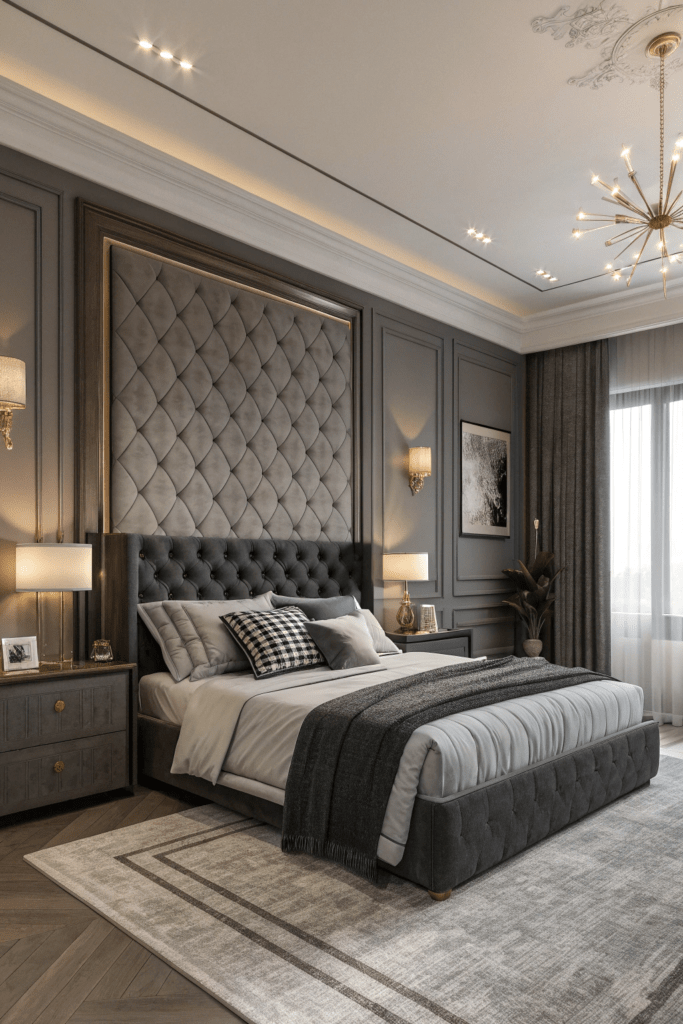
In a modern bedroom, comfort and calm take priority.
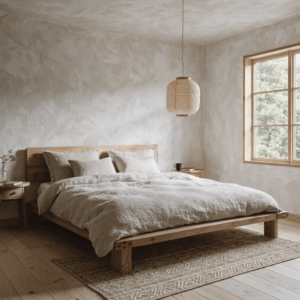
Choose a low platform bed with clean lines. Keep bedding neutral and layer subtle textures like linen or cotton.
Use simple nightstands and add soft lighting with table lamps or wall-mounted fixtures. Avoid cluttered dressers and excessive decor.
The bedroom should feel like a retreat — quiet, balanced, and distraction-free.
Modern vs Contemporary: What’s the Difference?
Modern and contemporary are often used interchangeably, but they’re not the same.
Modern design refers to a specific historical movement with defined principles, including clean lines, functional furniture, and neutral palettes.
Contemporary design, on the other hand, reflects current trends. It evolves over time and may incorporate elements from multiple styles.
Modern is structured and timeless. Contemporary is fluid and trend-driven.
Common Mistakes to Avoid
When designing a modern interior, watch out for these common errors:
- Making the space feel too cold
Add warmth through wood tones, textiles, and soft lighting. - Over-minimalizing
Removing too much can make a space feel lifeless. Keep personality through art or subtle decor. - Using too many accent colors
Stick to a controlled palette to maintain cohesion. - Ignoring lighting layers
Combine ambient, task, and accent lighting for balance.
How to Make Modern Style Feel Cozy
Modern doesn’t have to feel sterile. To add warmth and comfort:
- Layer area rugs
- Use warm-toned wood
- Add textured pillows and throws
- Incorporate soft, warm lighting
- Introduce natural greenery
The key is balance. Keep the structure clean, but soften it with texture.
Is Modern Interior Style Right for You?
Modern interior style works best if you:
- Prefer calm, organized spaces
- Appreciate neutral colors
- Value functionality
- Enjoy clean architectural lines
- Want a timeless aesthetic
If you love heavy patterns, ornate details, or bold decorative themes, modern style may feel too restrained.
Final Thoughts
Modern Interior Style remains one of the most timeless and versatile design approaches. By focusing on clean lines, neutral palettes, natural materials, and thoughtful lighting, you can create a home that feels open, comfortable, and refined.
You don’t need a complete renovation to embrace modern design. Start by simplifying your space, choosing a cohesive color palette, and investing in well-designed furniture.
Small, intentional changes can transform your home into a clean and timeless modern retreat.