In a world filled with constant noise, endless choices, and visual overload, minimalist design offers something rare and valuable: clarity. It is not just a decorative style — it is a philosophy of living with intention. Minimalism teaches us that beauty does not come from excess, but from thoughtful simplicity.
Minimalist interior design has grown in popularity because it creates spaces that feel calm, organized, and timeless. Whether you live in a large house or a small apartment, adopting minimalist principles can completely transform how your home looks and feels.
This article explores the philosophy, principles, benefits, and practical steps to achieve minimalist design in your own space.
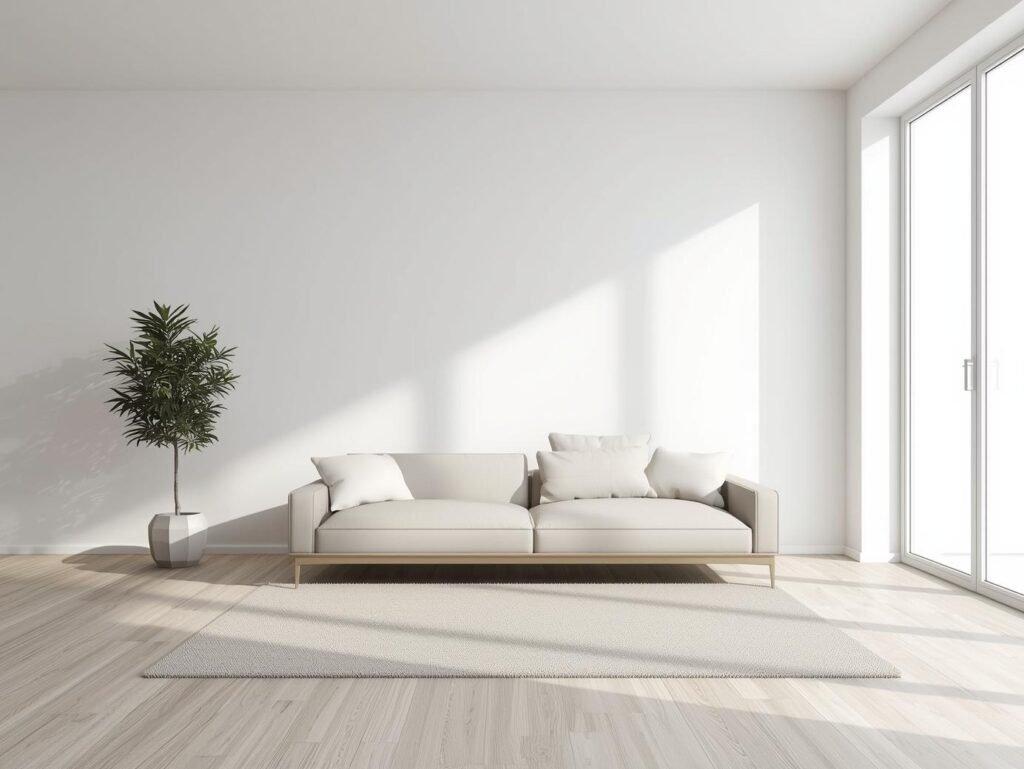
What Is Minimalist Design?
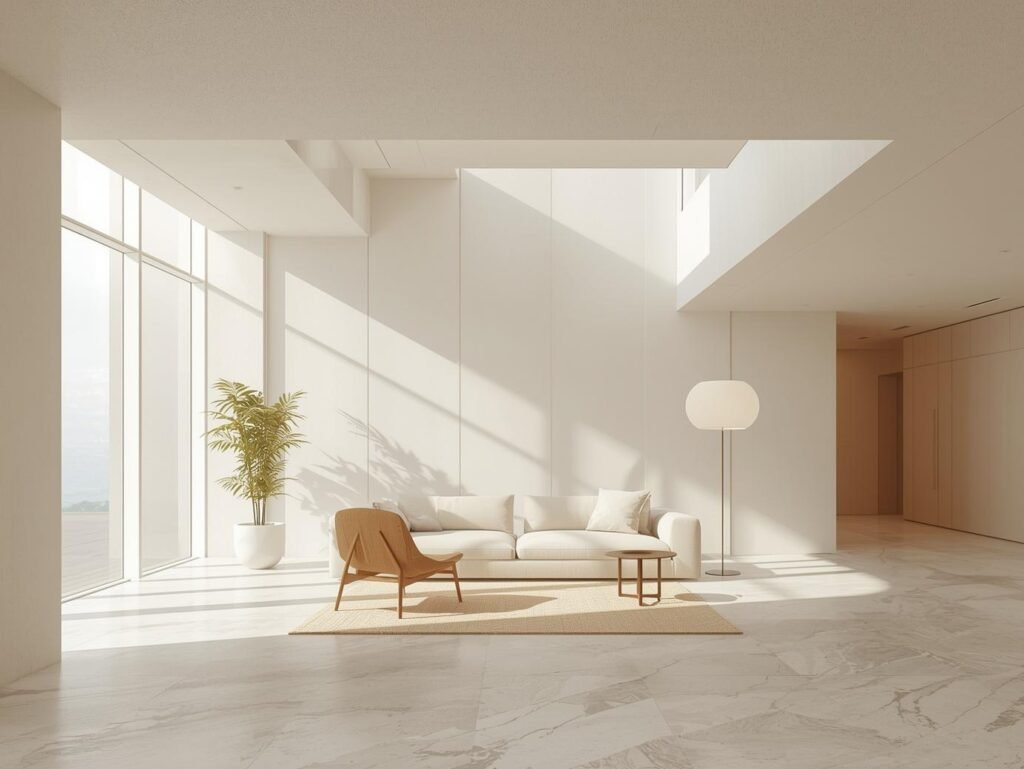
Minimalist design is built on a simple but powerful idea: less is more.
Rather than filling a space with decorative items, bold colors, and complex patterns, minimalism removes the unnecessary and focuses only on what adds value. Every element in a minimalist interior has a purpose — either functional or meaningful.
Minimalism emphasizes:
- Clean lines
- Neutral color palettes
- Open spaces
- Functional furniture
- Limited decoration
- High-quality materials
The goal is not to create an empty space, but a balanced and intentional one.
The Philosophy Behind Minimalism
Minimalism is deeply connected to intentional living. It encourages mindful consumption and thoughtful choices. Instead of buying more, it promotes choosing better.
This philosophy asks important questions:
- Do I truly need this item?
- Does it serve a purpose?
- Does it improve my space or just fill it?
Minimalism is influenced by Japanese aesthetics, Scandinavian design, and modern architecture — all of which value simplicity, harmony, and functionality.
In interior design, this philosophy translates into spaces that feel light, calm, and organized.
Core Elements of Minimalist Interior Design
1. Neutral Color Palette
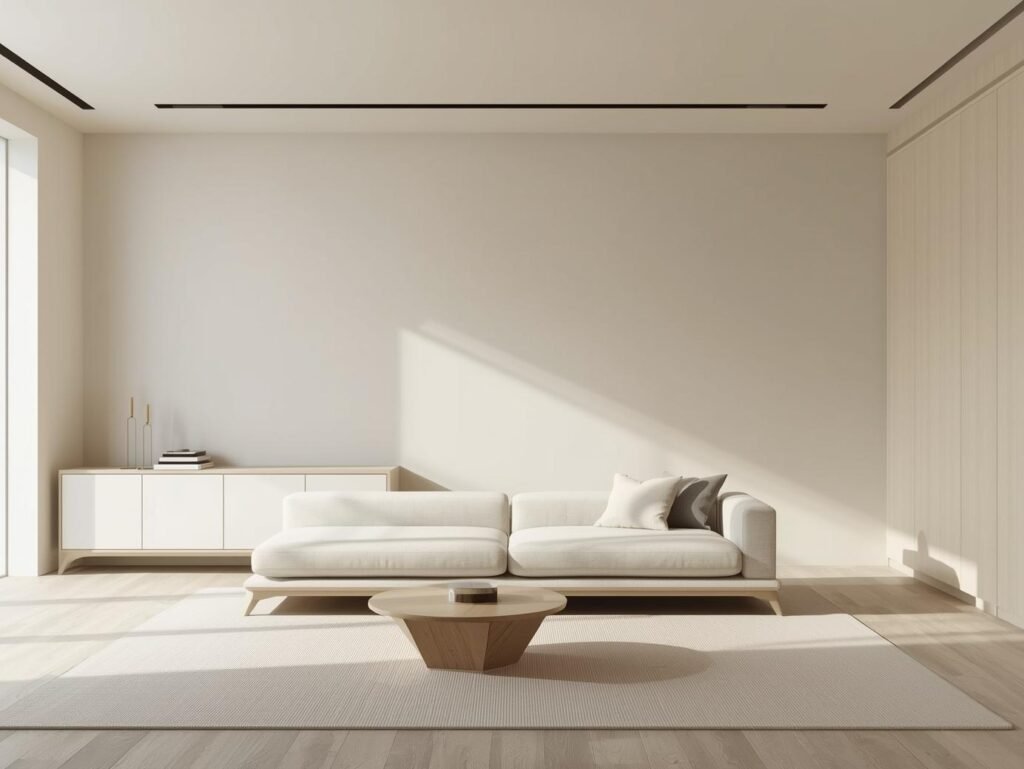
Minimalist interiors typically rely on neutral tones such as:
- White
- Cream
- Beige
- Soft gray
- Warm earth tones
These colors reflect light and make spaces feel larger and brighter. They also create a timeless look that does not go out of style.
Instead of adding interest through bold colors, minimalism uses texture — such as linen, wool, wood, or stone — to create depth.
2. Clean Lines and Simple Shapes
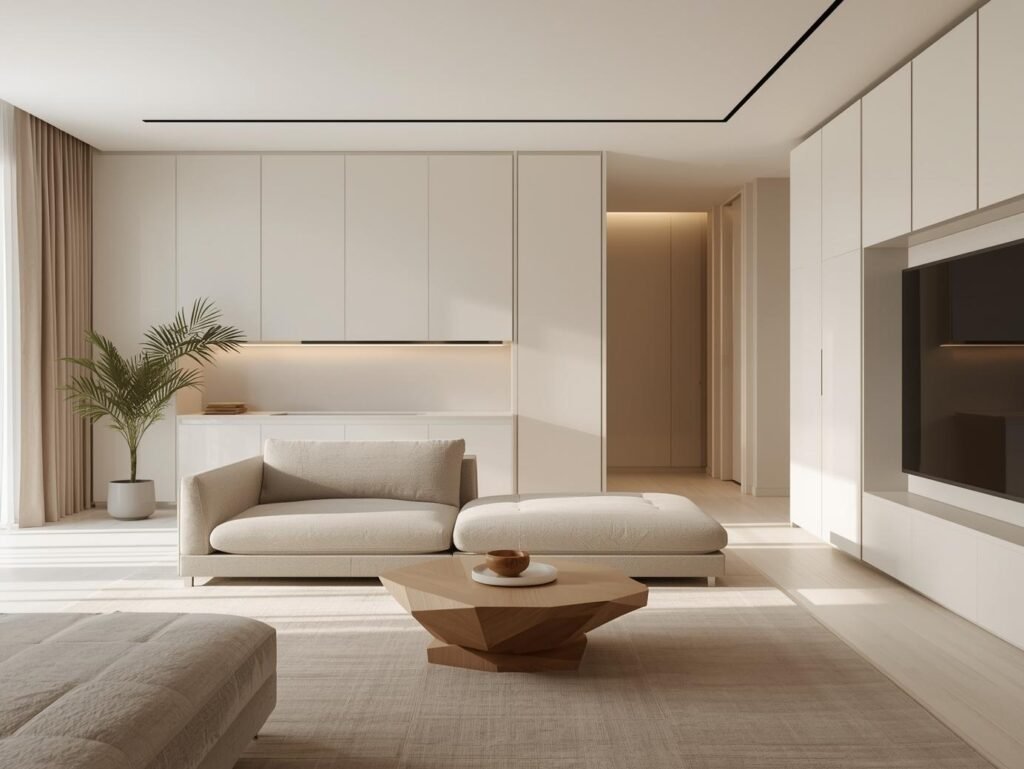
Furniture and architectural details in minimalist spaces feature clean, straight lines. Ornate carvings, heavy patterns, and decorative trims are avoided.
Sofas are often low-profile with simple silhouettes. Tables have smooth surfaces and geometric forms. Cabinets are flat-fronted without excessive handles or detailing.
This simplicity creates visual calm and balance.
3. Open and Uncluttered Spaces
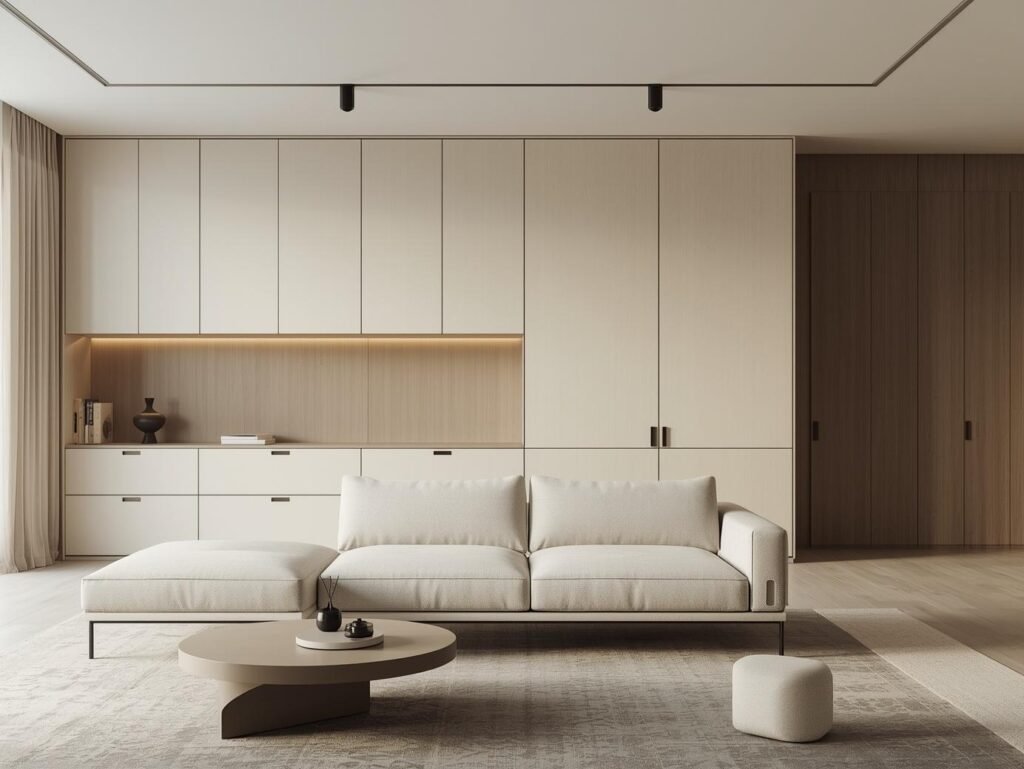
One of the most important features of minimalist design is negative space — the empty space around objects.
In minimalism, empty space is intentional. It allows the eye to rest and highlights key design elements. Overcrowding a room defeats the purpose of minimalism.
Furniture is arranged with breathing room between pieces. Surfaces such as tables and countertops are kept mostly clear.
4. Functional Furniture
Minimalist interiors prioritize function. Every piece of furniture must serve a purpose.
Multifunctional furniture works especially well, including:
- Storage beds
- Built-in cabinets
- Hidden storage solutions
- Extendable dining tables
Clutter is minimized because everything has its place.
5. Intentional Decoration
Minimalism does not mean no decoration at all. Instead, it means choosing fewer but more meaningful pieces.
Examples include:
- One large statement artwork
- A single indoor plant
- A sculptural lamp
- A carefully chosen rug
Instead of many small decorative objects, minimalism favors one strong focal point.
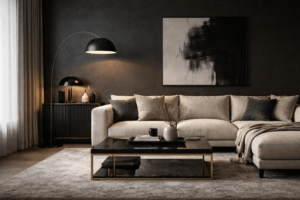
Minimalist Living Room Design
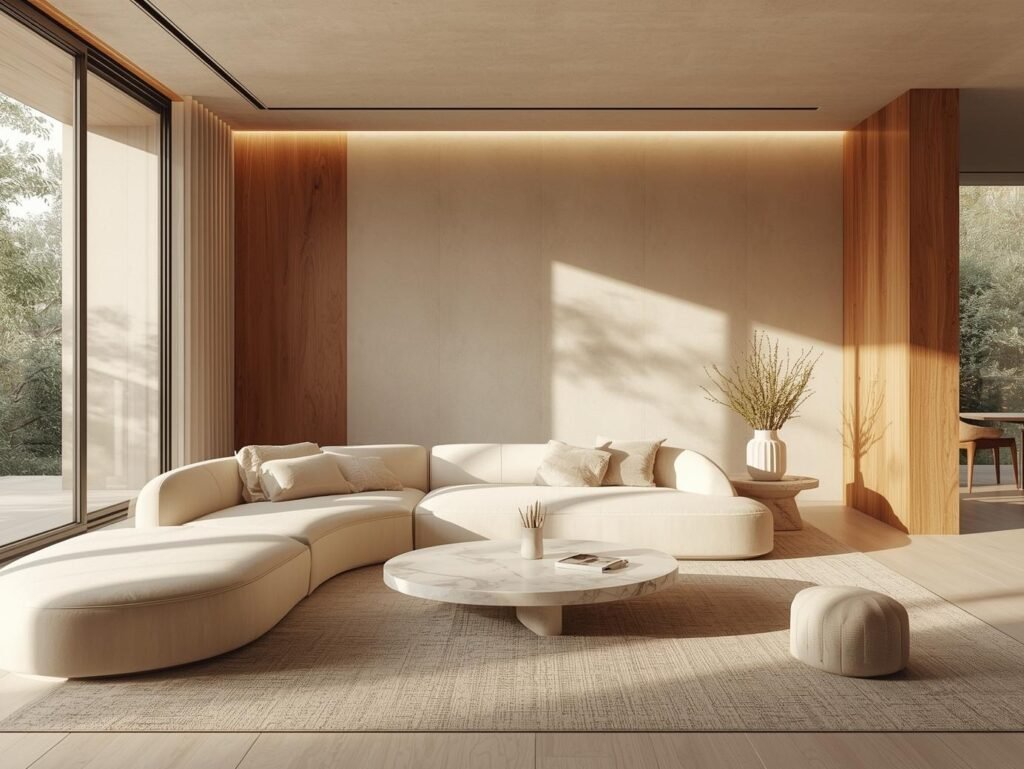
The living room is often the heart of the home. In minimalist design, it becomes a calm and welcoming retreat.
Key characteristics include:
- Neutral sofa
- Simple coffee table
- Minimal lighting fixtures
- Limited wall decor
- Clean-lined furniture
Avoid excessive cushions, layered patterns, or too many accessories. Natural light plays a major role, so large windows and light curtains are ideal.
The overall atmosphere should feel open, peaceful, and uncluttered.
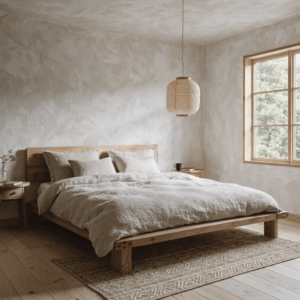
Minimalist Bedroom Design
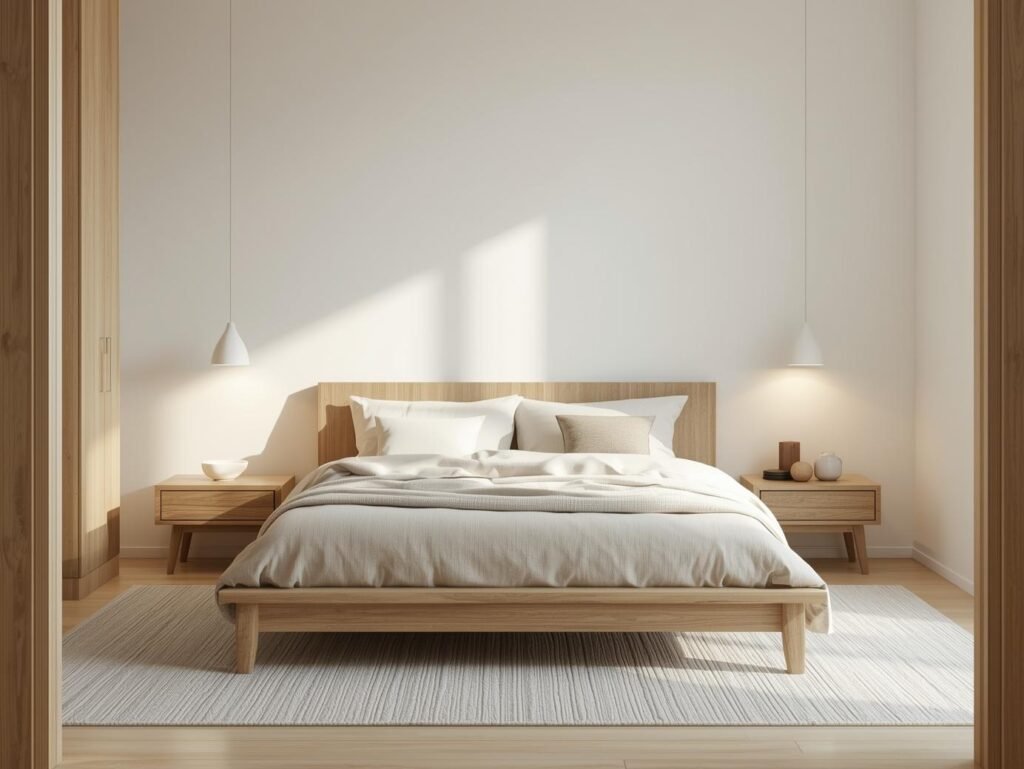
A minimalist bedroom promotes better sleep and relaxation. Since bedrooms are personal sanctuaries, keeping them simple enhances tranquility.
Essential elements include:
- A simple bed frame (wood or upholstered)
- Neutral bedding
- Two minimal nightstands
- Soft, warm lighting
- Hidden storage
Avoid busy prints or too many decorative pillows. The goal is to create a restful environment free from distractions.
Minimalist Kitchen Design
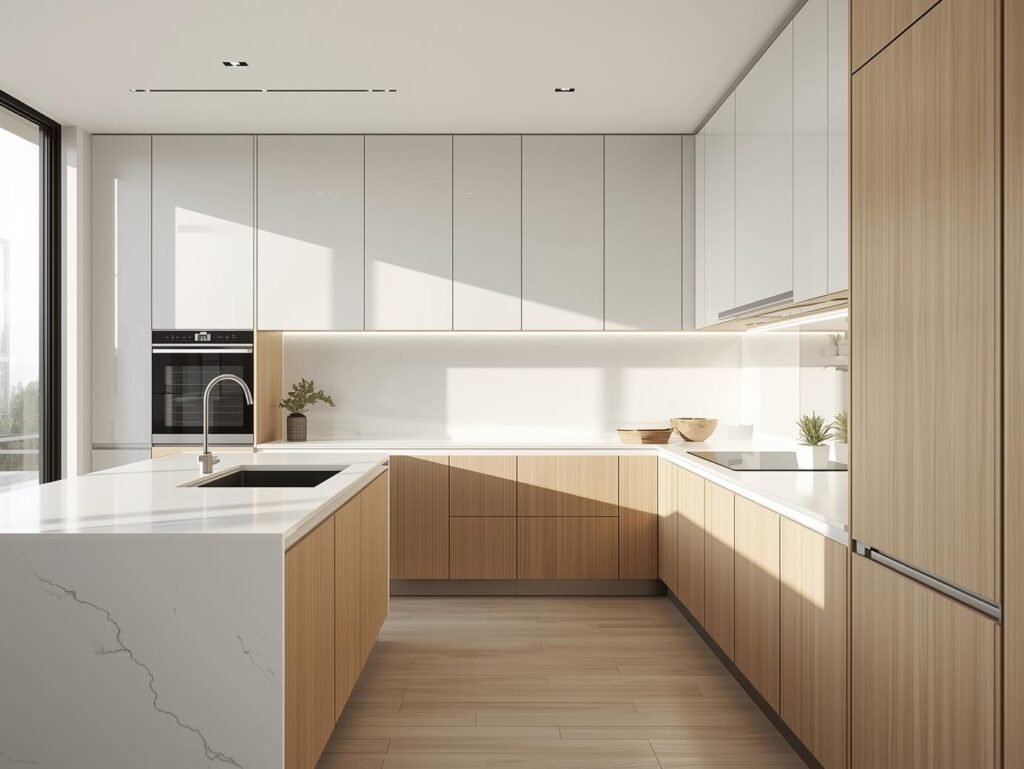
Minimalist kitchens are highly functional and visually clean.
Common features include:
- Flat-panel cabinets
- Integrated appliances
- Clear countertops
- Neutral color schemes
- Wood and white combinations
Storage is essential to maintain a clutter-free appearance. Small appliances should be stored away when not in use.
The result is a kitchen that feels organized, efficient, and easy to maintain.
Minimalist Home Office
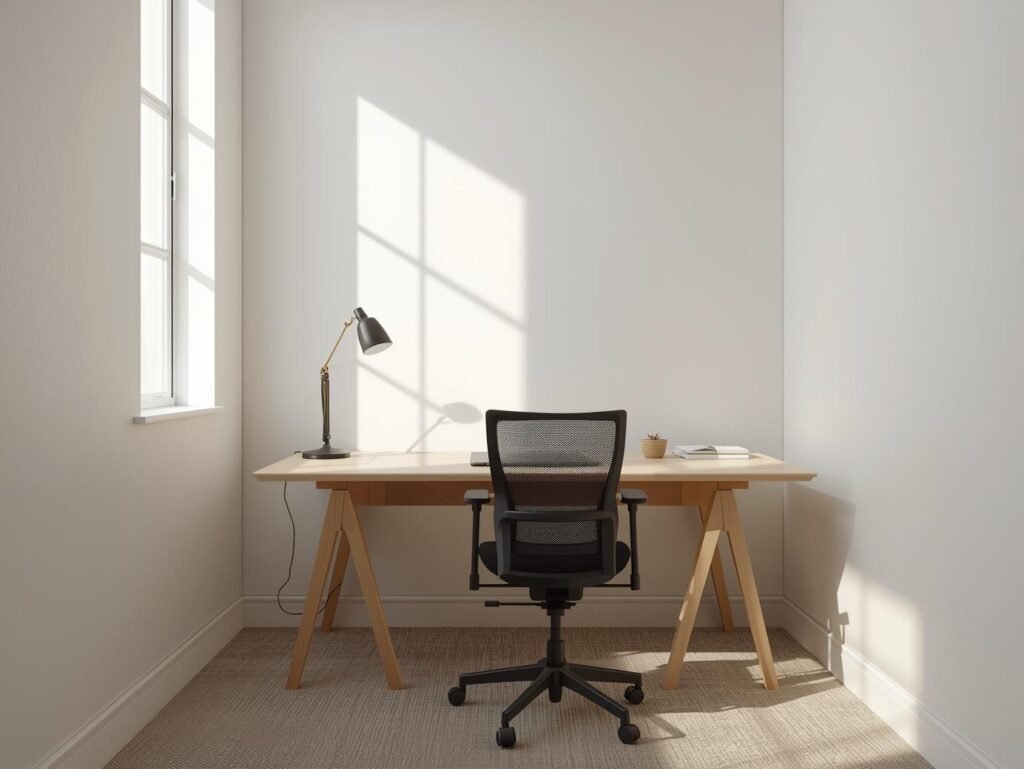
With remote work becoming more common, minimalist home offices are increasingly popular.
A minimalist workspace typically includes:
- A simple desk
- A comfortable chair
- One desk lamp
- Minimal wall decor
A clean desk improves focus and productivity. Removing unnecessary items reduces distractions and enhances concentration.
Benefits of Minimalist Design
Minimalist interiors offer both aesthetic and psychological benefits.
1. Reduces Stress
Clutter can overwhelm the brain. Clean, organized spaces promote mental clarity and relaxation.
2. Easier Maintenance
Fewer items mean less cleaning and organizing.
3. Timeless Style
Minimalist design rarely goes out of fashion.
4. Makes Small Spaces Feel Larger
Light colors and open layouts visually expand rooms.
5. Encourages Intentional Living
You become more conscious about what you bring into your home.
Common Minimalist Design Mistakes
Even minimalism can be misapplied. Here are common mistakes to avoid:
Making the Space Too Cold
Add warmth through natural materials like wood and soft textiles.
Removing Too Much
The room should feel intentional, not empty or lifeless.
Ignoring Lighting
Lighting is crucial. Layer ambient, task, and accent lighting for balance.
Choosing Low-Quality Furniture
Since there are fewer pieces, each one stands out. Invest in quality.
How to Transition to Minimalist Design
If you want to adopt minimalism in your home, follow these steps:
Step 1: Declutter Thoroughly
Remove items that no longer serve a purpose.
Step 2: Simplify Your Color Palette
Choose a neutral base and stay consistent.
Step 3: Invest in Key Pieces
Prioritize quality over quantity.
Step 4: Create Smart Storage Solutions
Hidden storage keeps surfaces clean.
Step 5: Focus on Texture
Use natural materials to add depth and warmth.
Minimalism as a Lifestyle
Minimalist design often leads to a minimalist mindset.
It encourages:
- Mindful purchasing
- Financial discipline
- Emotional clarity
- Environmental awareness
When your home reflects simplicity and order, your daily life often feels more balanced and intentional.
Final Thoughts
Minimalist design is not about having less for the sake of less. It is about making room for what truly matters.
By removing excess, you allow beauty, function, and meaning to stand out. You create a space that supports calmness, focus, and well-being.
In the end, minimalism is not just a design style — it is a conscious choice to live with clarity, purpose, and elegance.