Industrial interior design has become one of the most recognizable styles in modern homes. Inspired by old factories, warehouses, and urban lofts, this design style embraces raw materials, open spaces, and structural elements that are usually hidden in traditional interiors.
What makes industrial design unique is its honesty. Instead of covering pipes, beams, and concrete surfaces, the style celebrates them. Brick walls, metal structures, exposed lighting fixtures, and weathered wood surfaces all become part of the aesthetic.
Originally popular in converted warehouses in cities like New York and Chicago, industrial interiors have evolved into a modern style that works in many homes today—from loft apartments to suburban houses.
The key to achieving an industrial interior is balance. While the style embraces raw materials, it still needs warmth and comfort to feel livable. This is where thoughtful furniture, lighting, and color choices come into play.
Characteristics of Industrial Interior Design
Industrial interiors are defined by their raw and unfinished appearance. Instead of polished decorative elements, the style focuses on structural materials and simple forms.
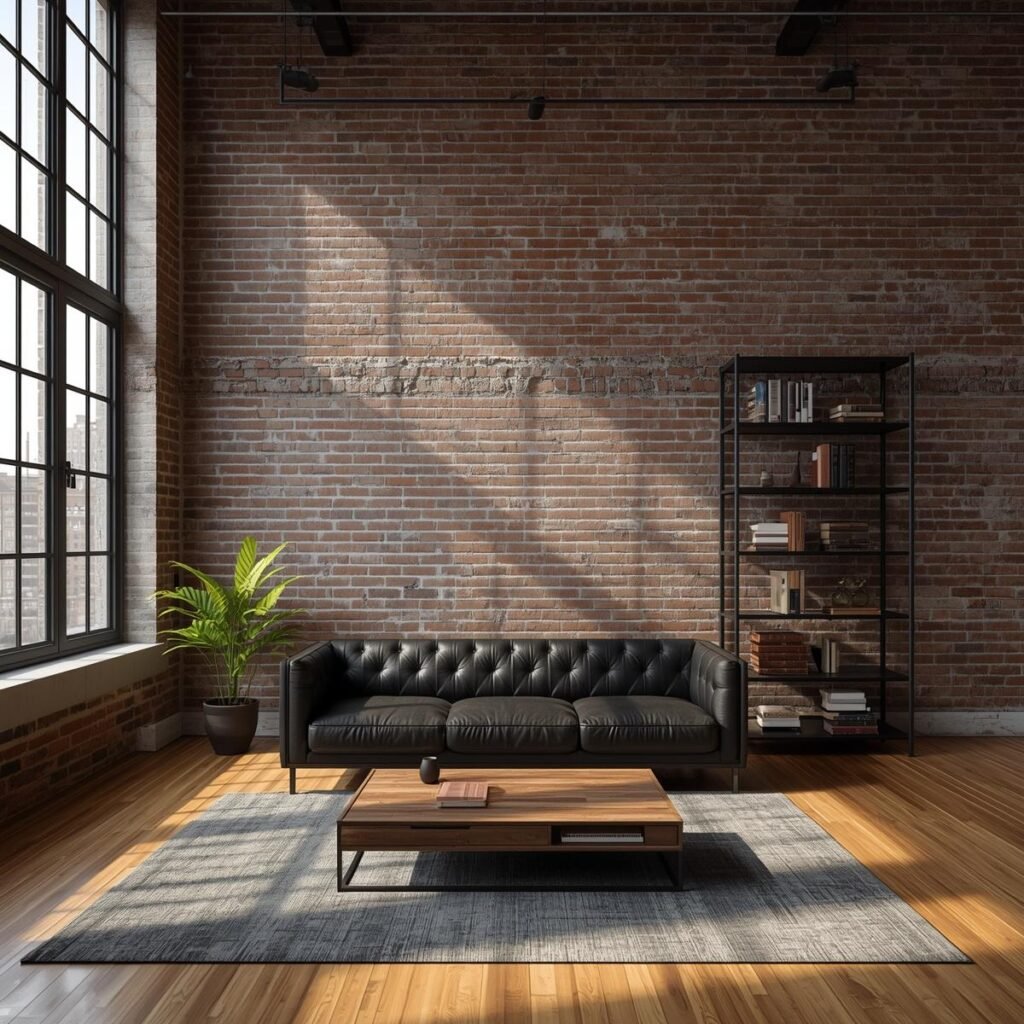
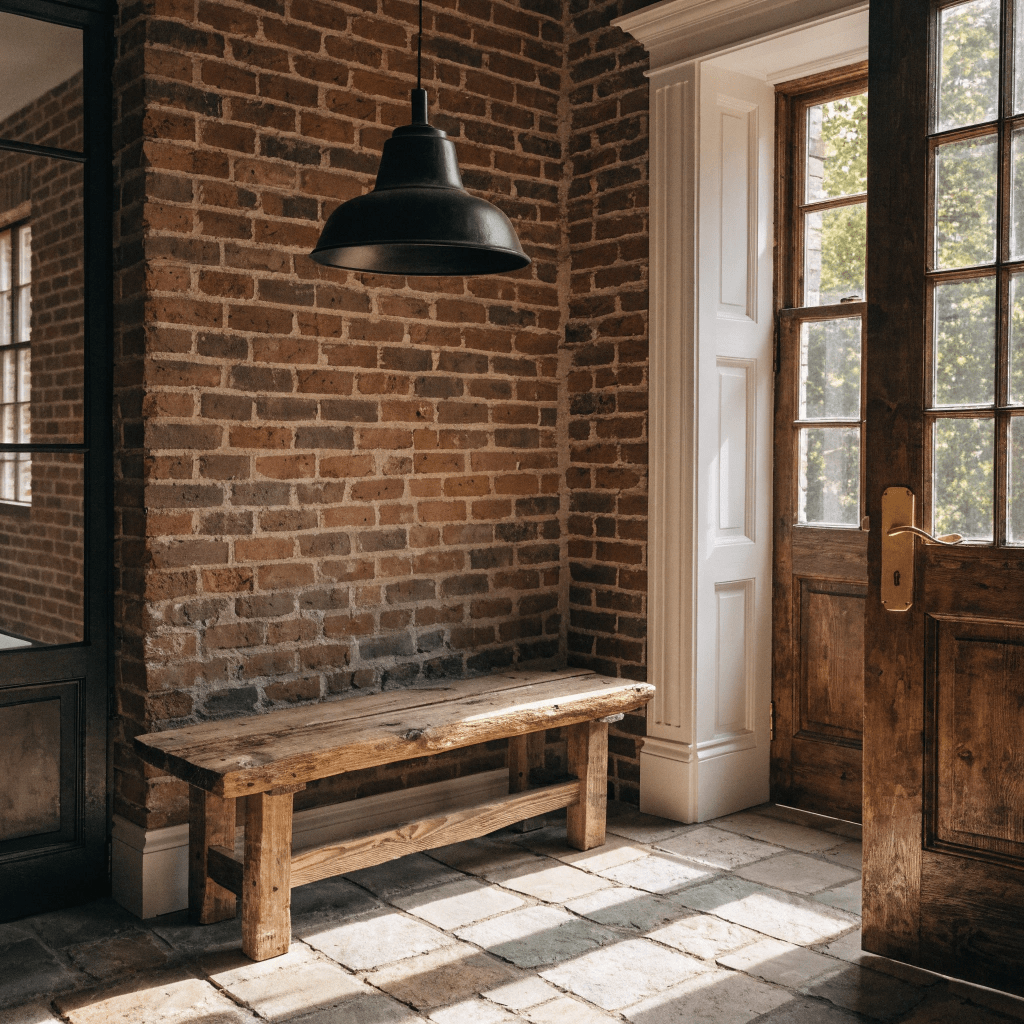
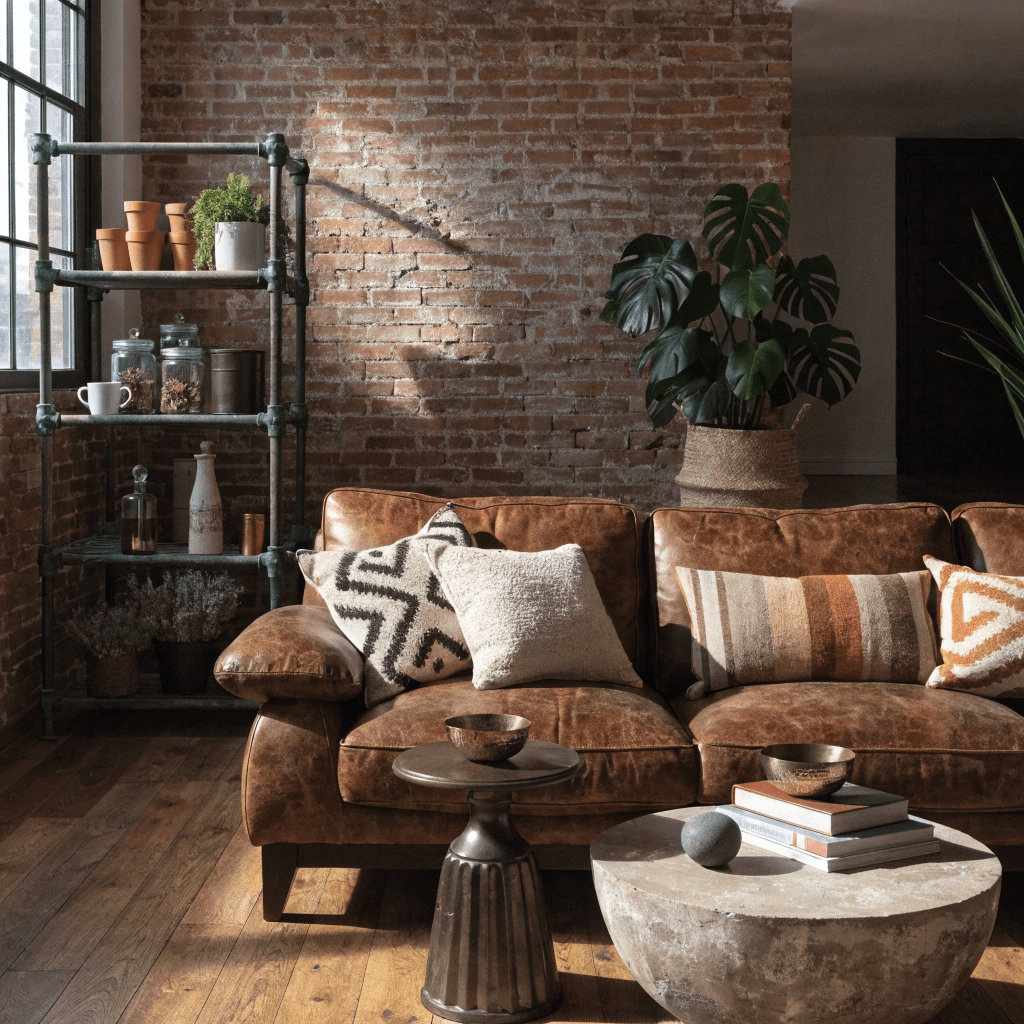
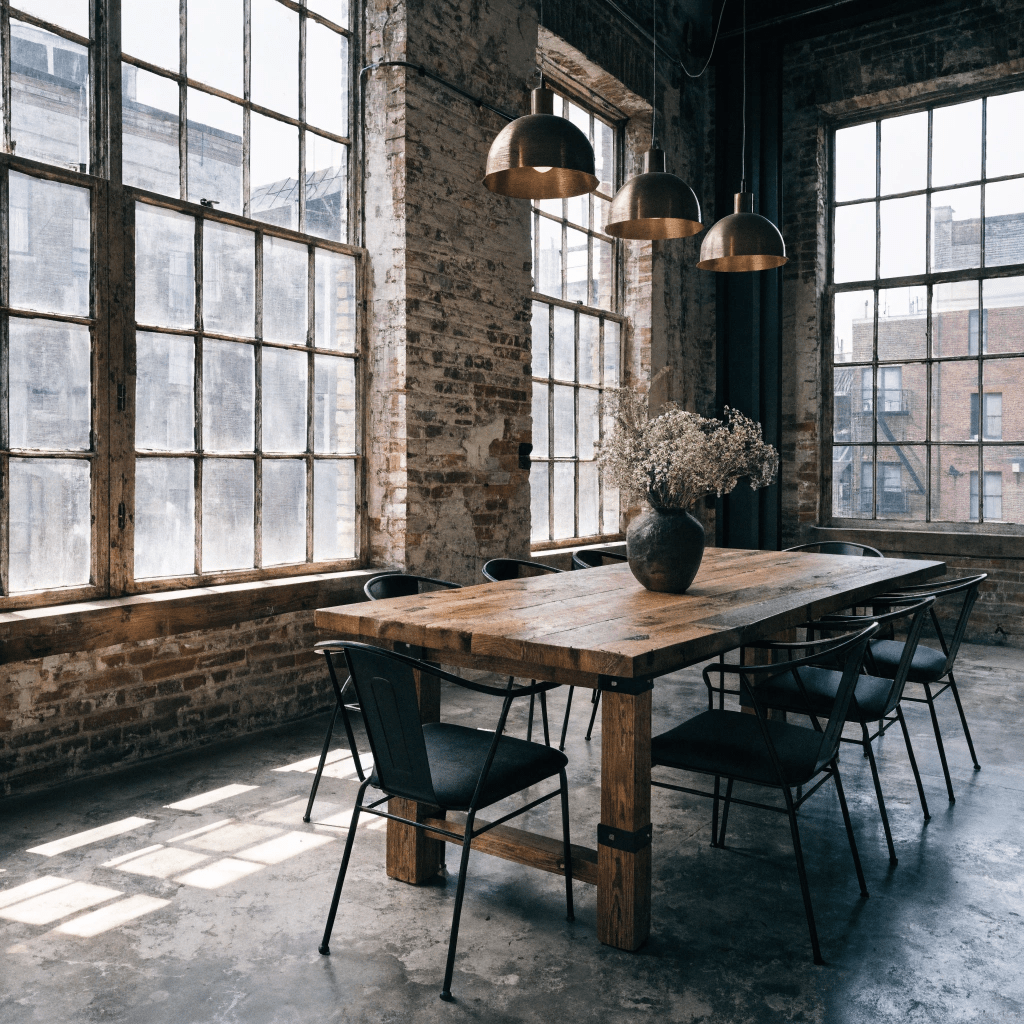
Exposed brick walls are one of the most recognizable features. These walls add texture and depth while reinforcing the industrial atmosphere.
Another defining characteristic is open space. Industrial interiors often feature large, open floor plans with high ceilings and large windows that allow natural light to flood the room.
Metal elements are also central to the style. Steel frames, iron shelving, and metal lighting fixtures create contrast against wood and concrete surfaces.
Industrial design also embraces minimal decoration. Instead of filling the room with accessories, the style focuses on a few strong design elements that define the space.
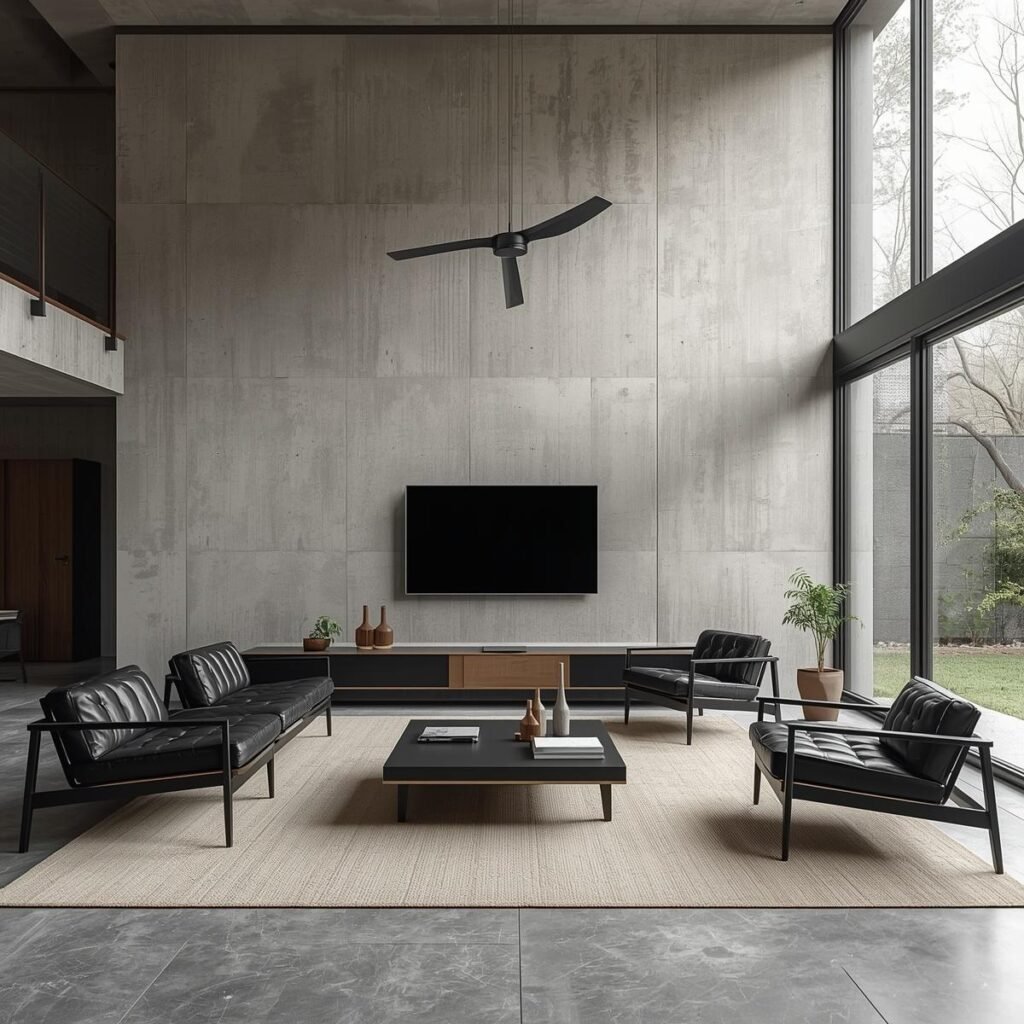
Industrial Color Palette
Industrial interiors rely on a restrained color palette. Neutral tones dominate the design, allowing materials like brick, steel, and wood to stand out.
Common colors include charcoal gray, matte black, concrete gray, warm brown wood tones, and deep rust accents.
These colors help reinforce the urban and architectural feel of the space.
Sometimes designers introduce small amounts of color through leather furniture, artwork, or plants, but the overall palette remains muted and grounded.
Furniture in Industrial Interiors
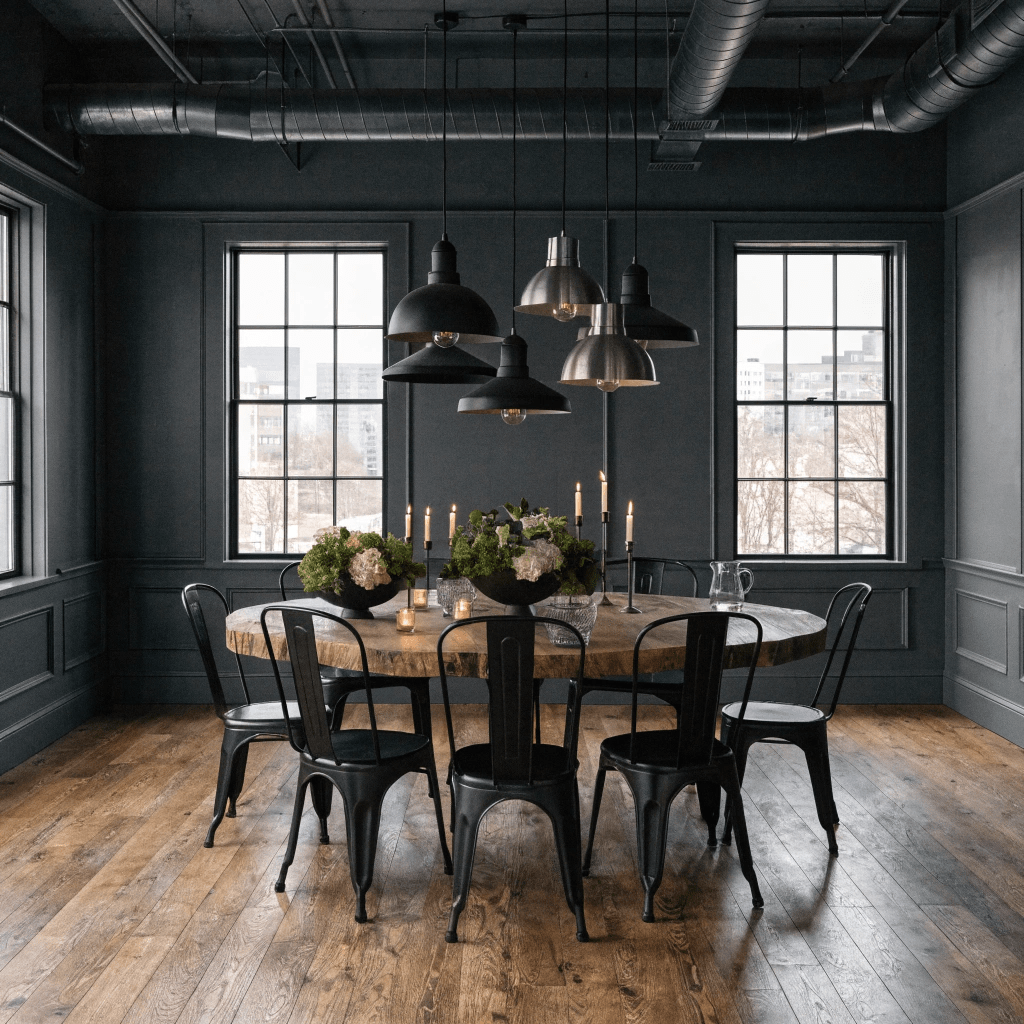
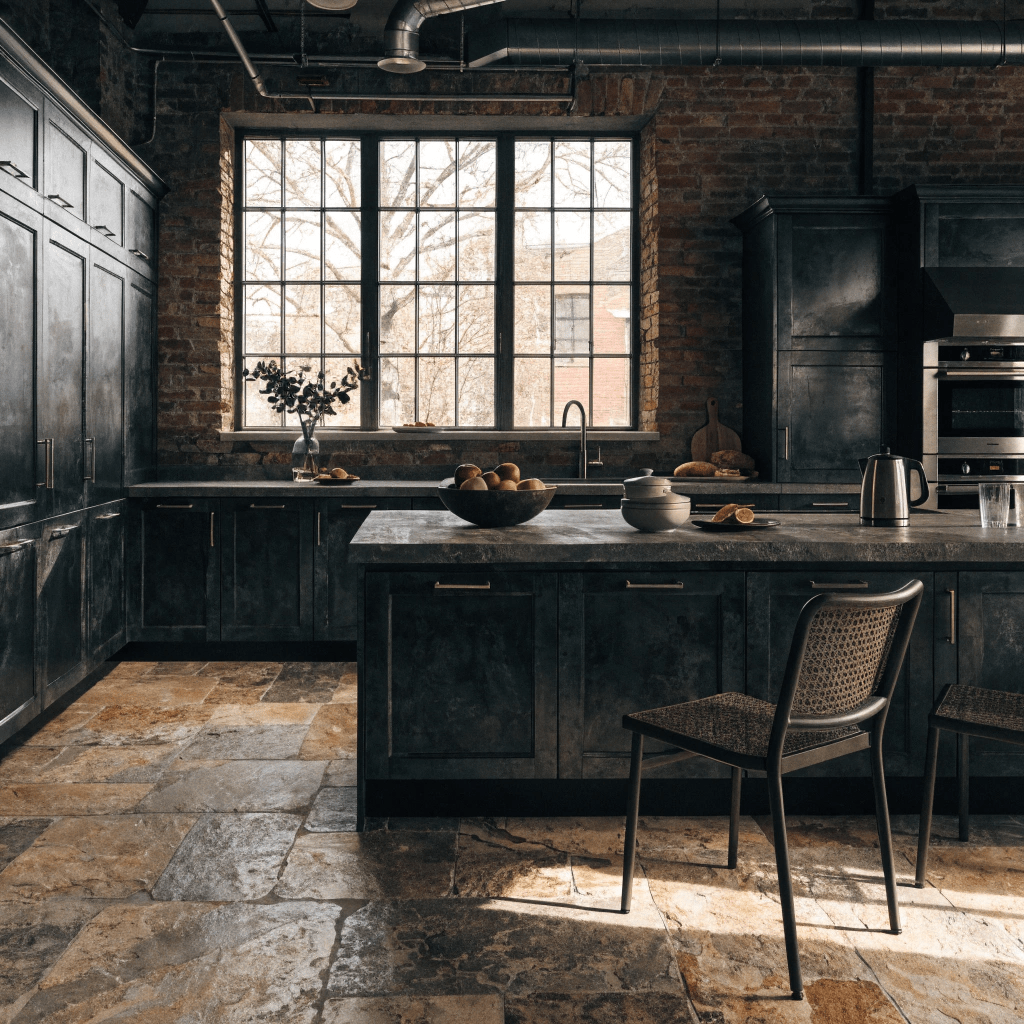
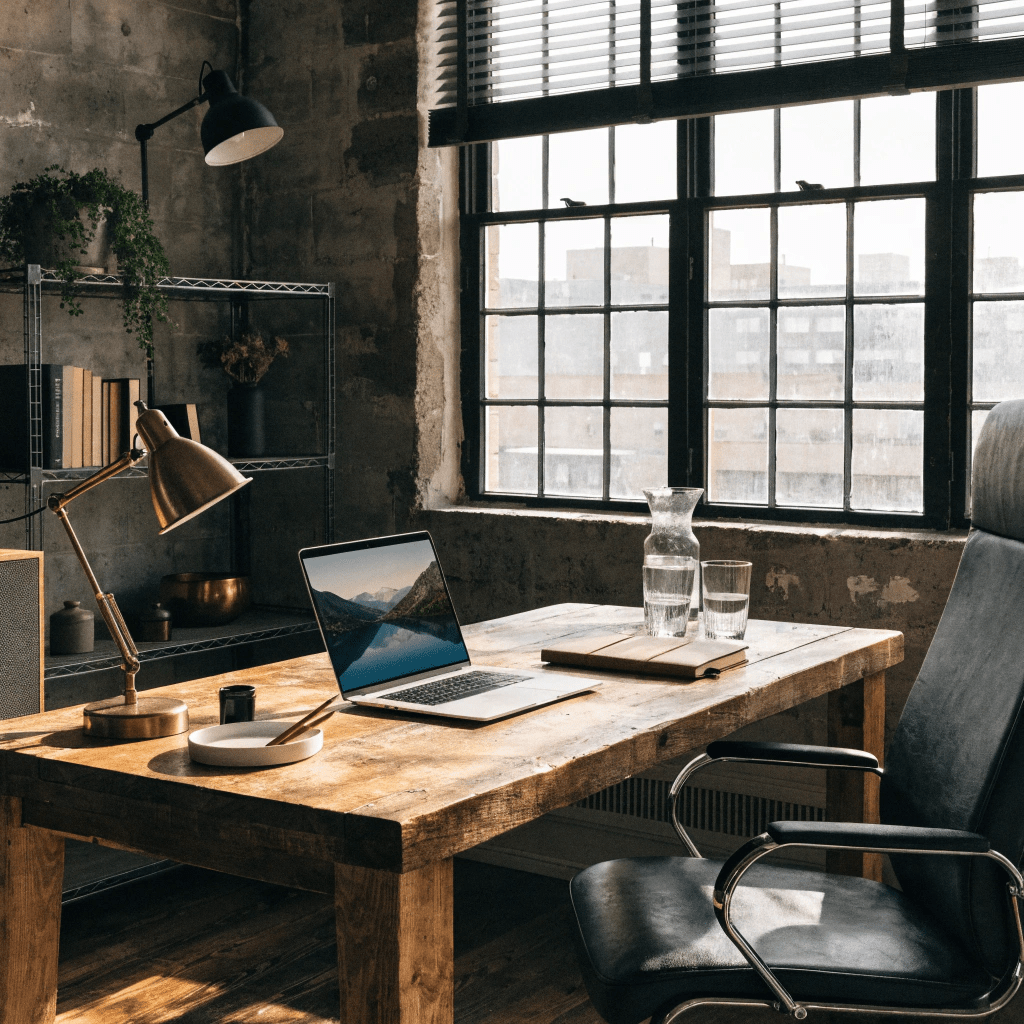
Furniture in industrial interiors is usually simple, sturdy, and functional. The style often combines metal frames with natural wood surfaces.
Tables made of reclaimed wood and steel are common, as are leather sofas and industrial shelving units.
Unlike traditional decorative furniture, industrial pieces emphasize durability and structure. The design feels practical and grounded.
Vintage furniture also works well in industrial interiors. Old factory stools, reclaimed wood benches, and metal cabinets add authenticity to the space.
Lighting in Industrial Design
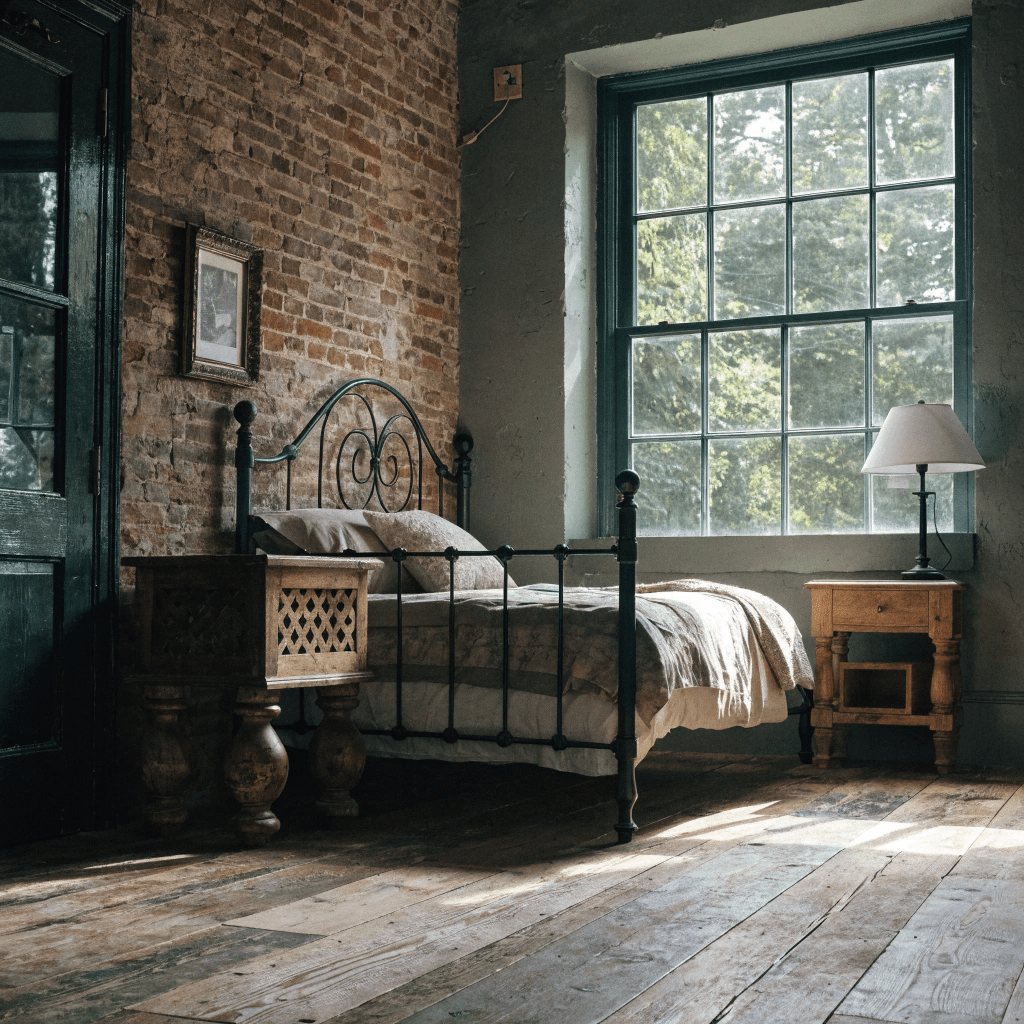
Lighting plays a major role in industrial interiors. Instead of decorative chandeliers, the style favors functional lighting inspired by factories and workshops.
Metal pendant lights, cage lamps, and exposed bulbs are commonly used.
Large windows are another hallmark of industrial design. These windows allow natural light to flood the space, highlighting textures like brick and concrete.
When artificial lighting is used, warm light temperatures help soften the raw materials and make the interior feel more comfortable.
Industrial Accent Walls
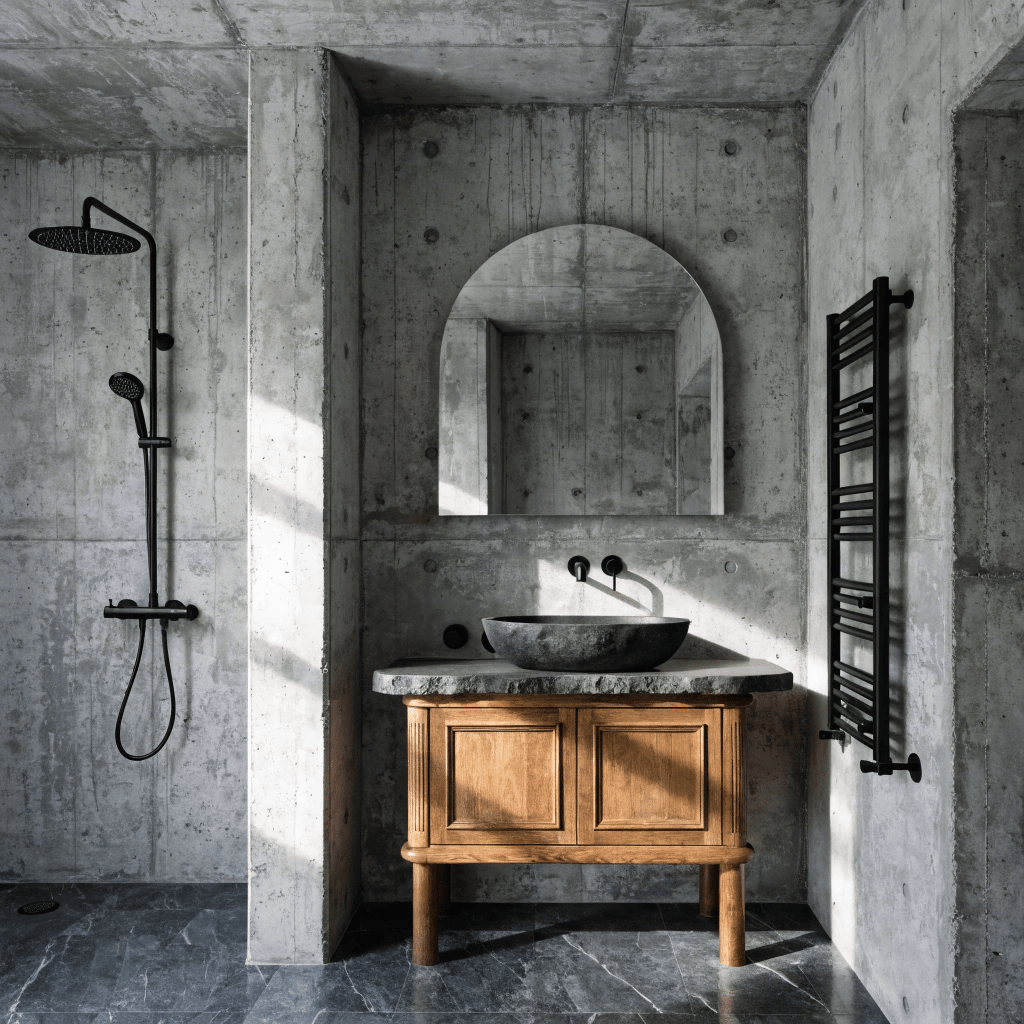
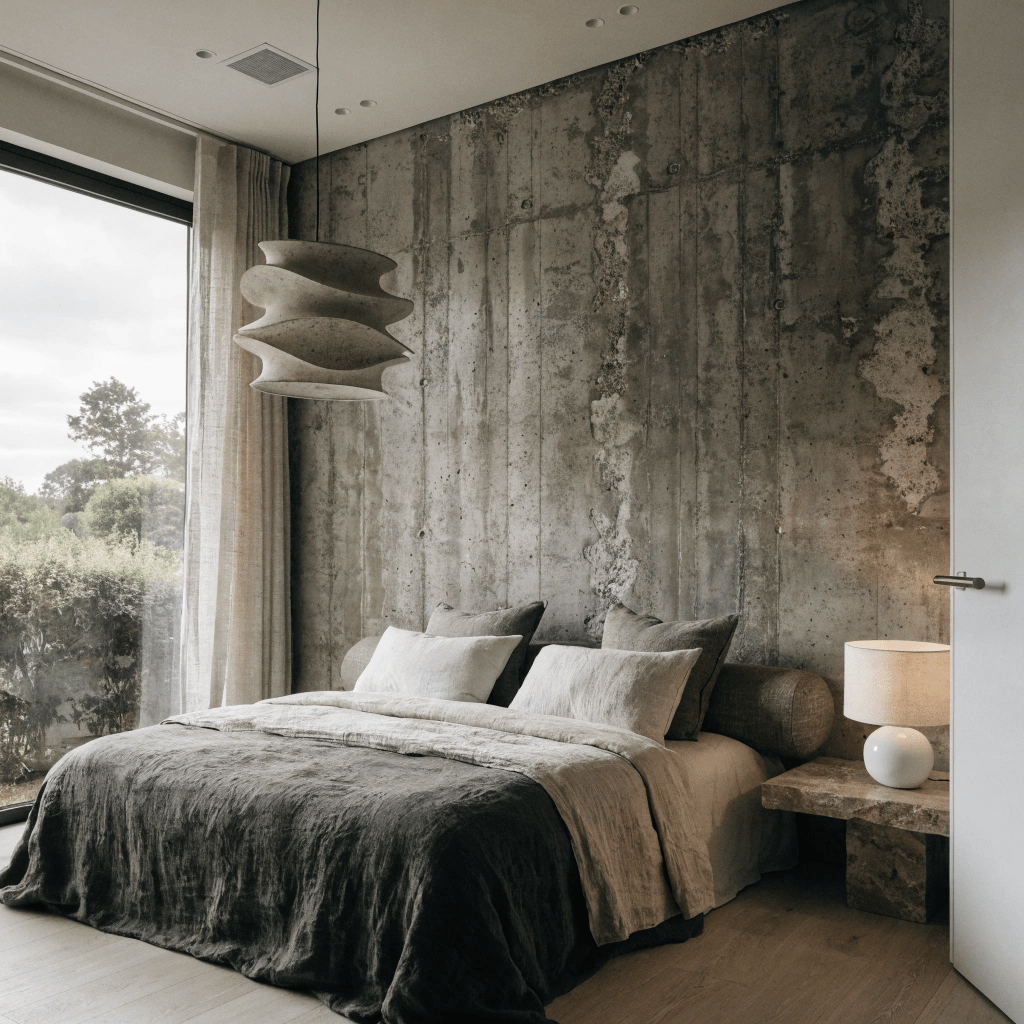
Accent walls are a powerful feature in industrial interiors. Instead of painted walls, designers often use materials such as brick, concrete panels, or metal sheets.
These textures create visual interest while maintaining the raw aesthetic of the style.
Why Industrial Interior Design Remains Popular
Industrial interior design continues to attract homeowners because of its authenticity. The style doesn’t rely on decorative excess. Instead, it highlights structure, materials, and craftsmanship.
Industrial interiors also adapt well to modern living. They combine the strength of architectural materials with the comfort of contemporary furniture.
When balanced correctly, industrial design creates spaces that feel both bold and welcoming—perfect for modern urban homes.