Traditional interior design remains one of the most enduring and recognizable styles in American homes. Unlike trends that appear and disappear quickly, traditional interiors are built around timeless principles—balance, symmetry, rich materials, and comfortable furnishings.
This design style draws inspiration from European decor traditions, particularly English and French interiors from the 18th and 19th centuries. Over time, these influences were adapted into American homes, creating spaces that feel elegant yet welcoming.
Traditional interiors are not about minimalism or experimentation. Instead, they focus on harmony and familiarity. Furniture pieces are carefully arranged to create balanced rooms, colors feel warm and inviting, and decorative details bring personality without overwhelming the space.
Even in modern houses, traditional interiors remain popular because they offer something many homeowners value: comfort and timeless beauty.
In this guide, we’ll explore how traditional interior design works—from its defining characteristics and color palettes to furniture choices and lighting ideas that bring the style to life.
Characteristics of Traditional Interior Design
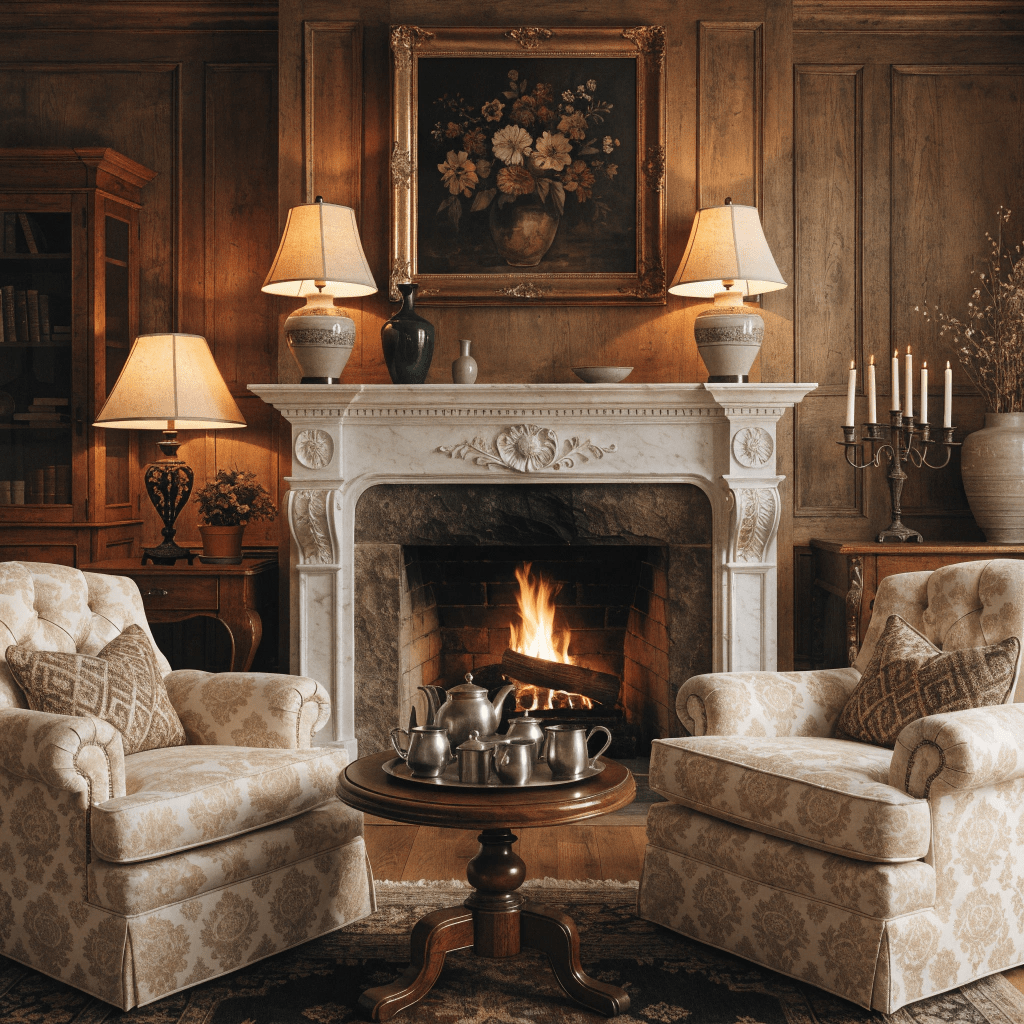
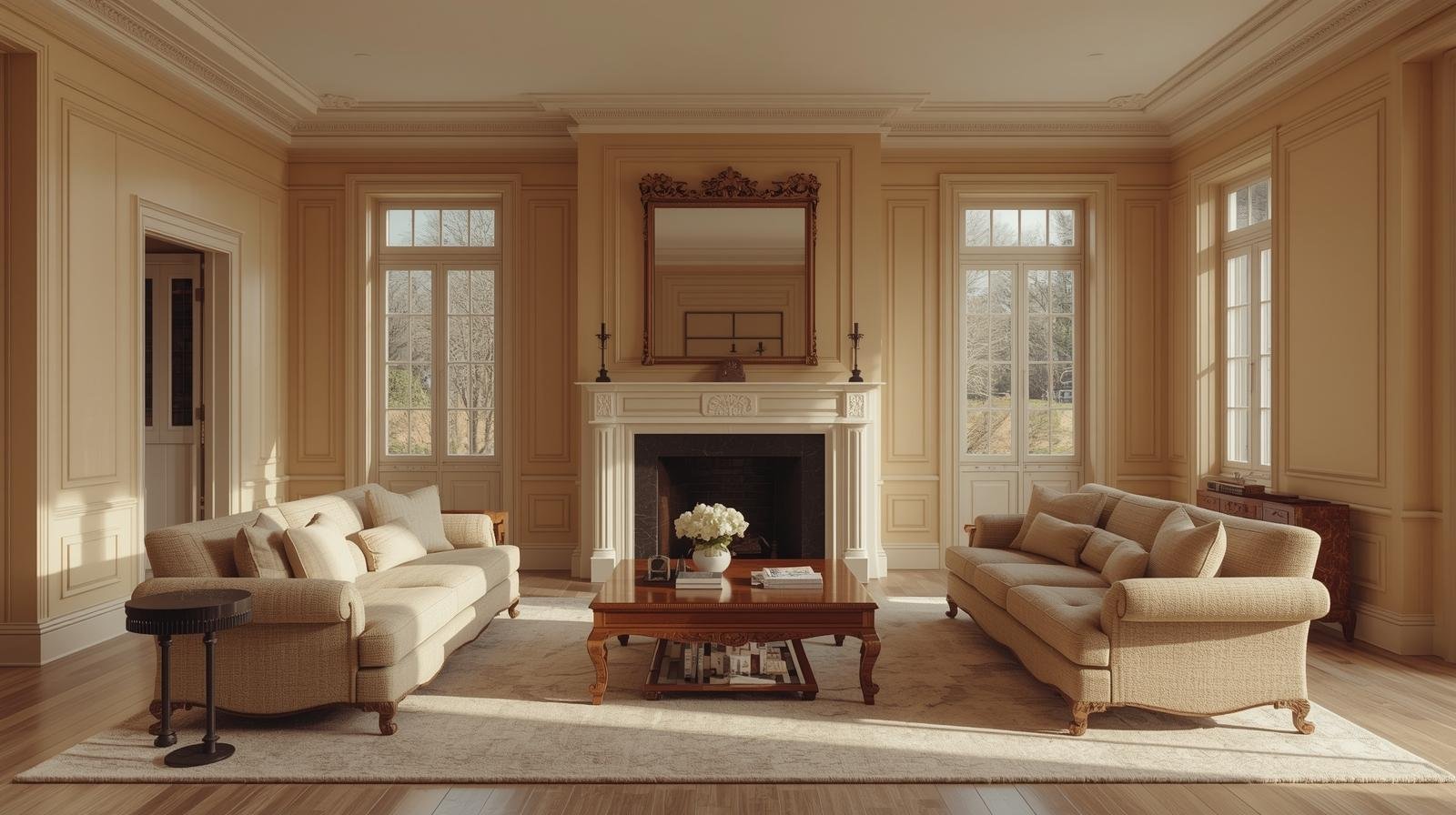
Traditional interiors are known for their sense of order and balance. Rooms are typically arranged symmetrically, meaning furniture and decorative elements mirror each other.
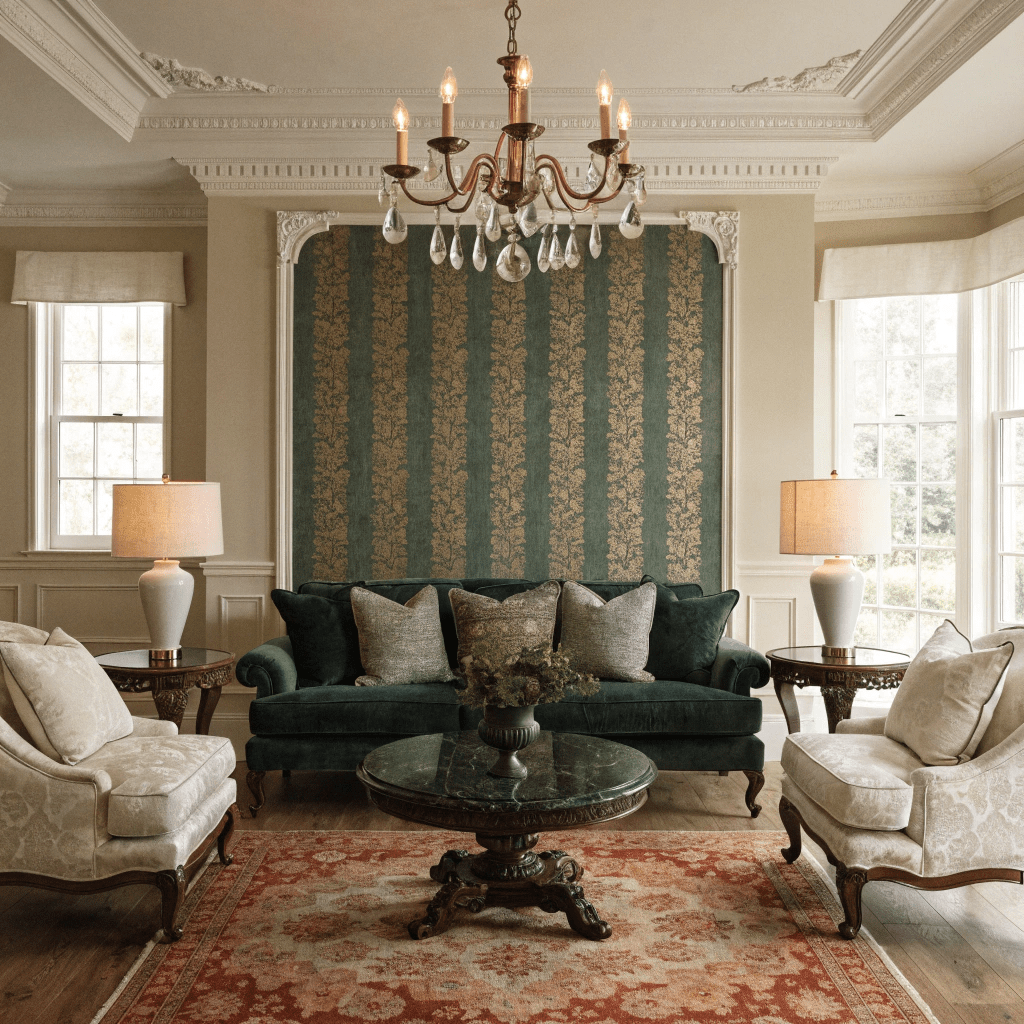
For example, a sofa may be centered between two identical lamps or chairs. This creates a sense of visual harmony that makes the space feel calm and organized.
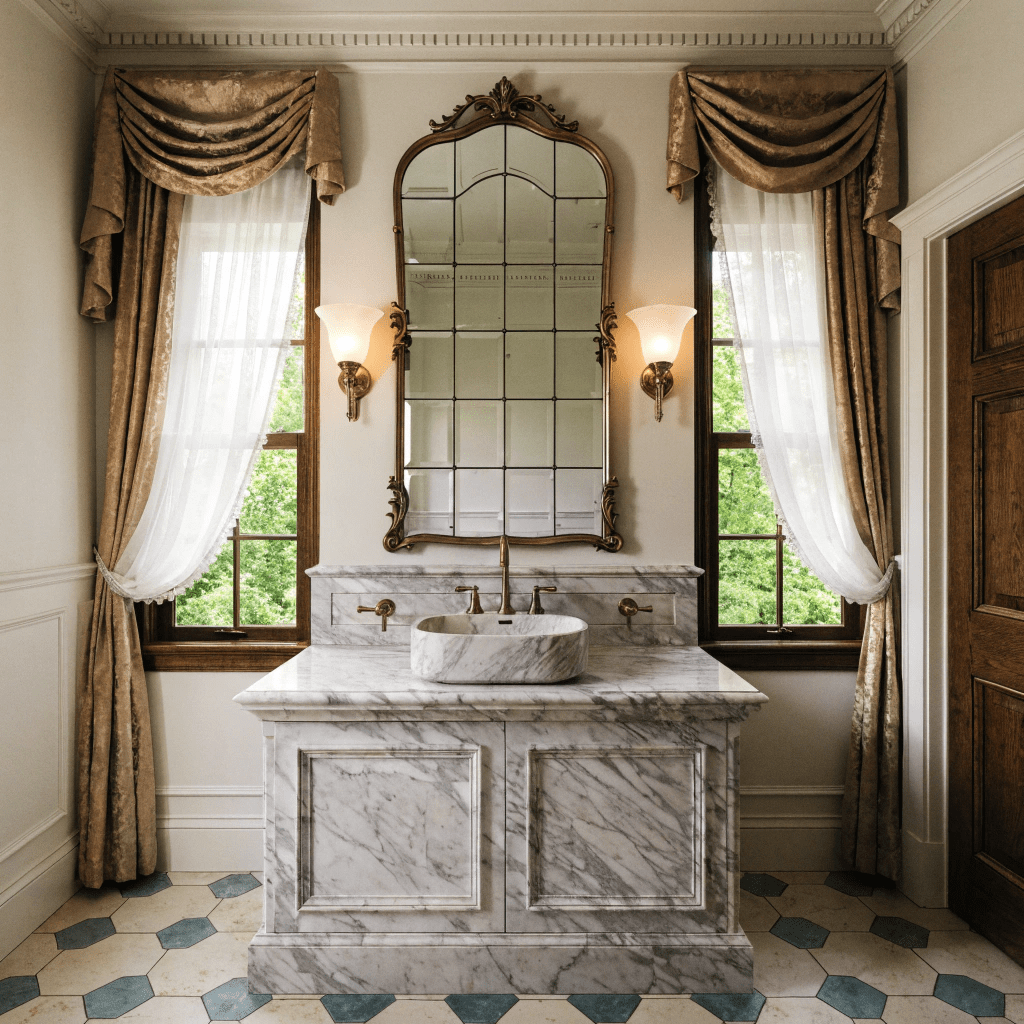
Architectural details also play an important role. Crown molding, decorative trim, and paneled walls often appear in traditional homes. These features add depth and craftsmanship to the interior.
Textures are layered thoughtfully. Upholstered furniture, patterned rugs, curtains, and decorative cushions add warmth while maintaining elegance.
Unlike minimalist styles, traditional interiors celebrate decoration—but in a controlled and refined way.
Traditional Color Palette
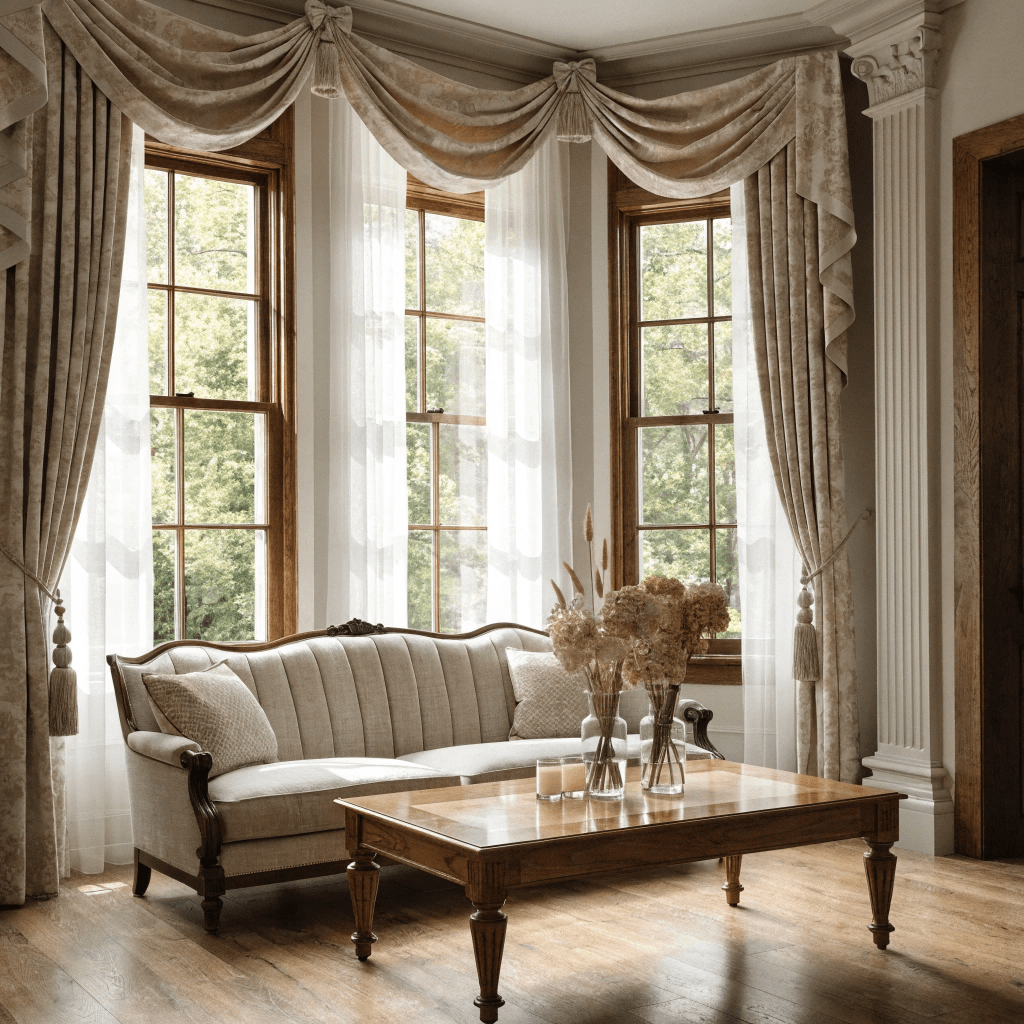
Traditional interiors rely on warm and inviting color palettes. Neutral shades often form the base of the design, while deeper colors add richness and character.
Common colors include beige, cream, warm taupe, soft gold, and classic brown tones. Darker shades such as burgundy, navy, and forest green are often used for accent pieces.
These colors help create interiors that feel comfortable and timeless rather than trendy.
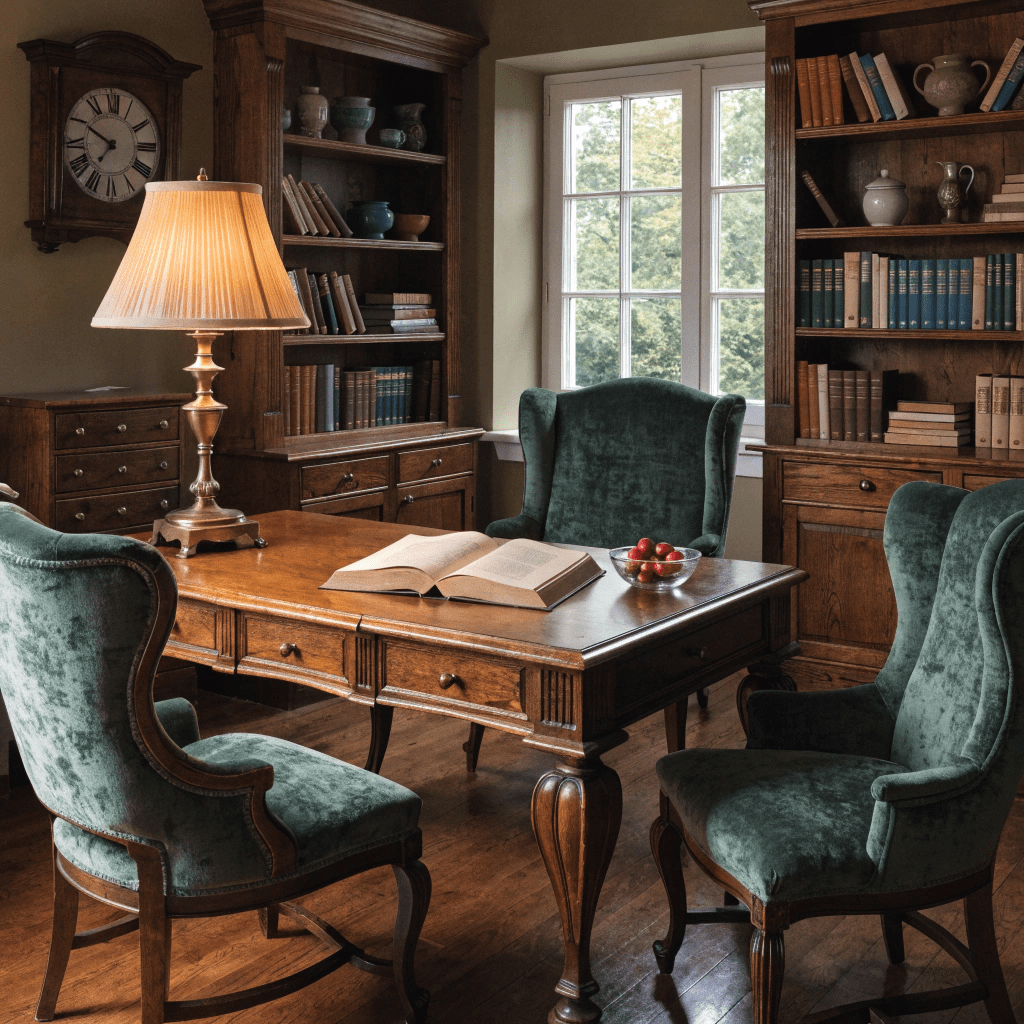
Natural wood tones also play a central role in traditional color schemes. Dark walnut and cherry wood furniture add depth and sophistication to the room.
Traditional Furniture
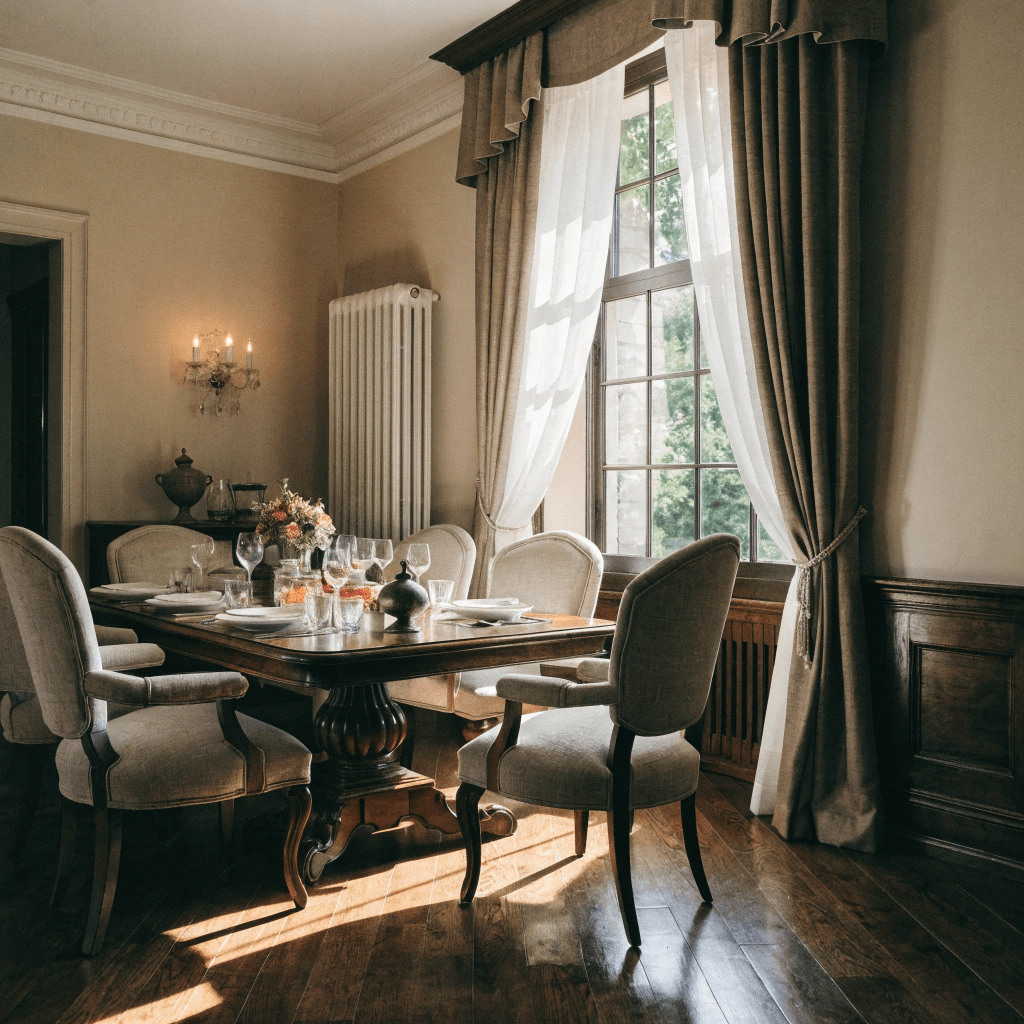
Furniture in traditional interiors tends to be more detailed than in modern styles. Pieces often feature curved lines, carved wood elements, and classic upholstery.
Sofas and armchairs are typically comfortable and generously sized, often upholstered in fabrics like linen, cotton, or velvet.
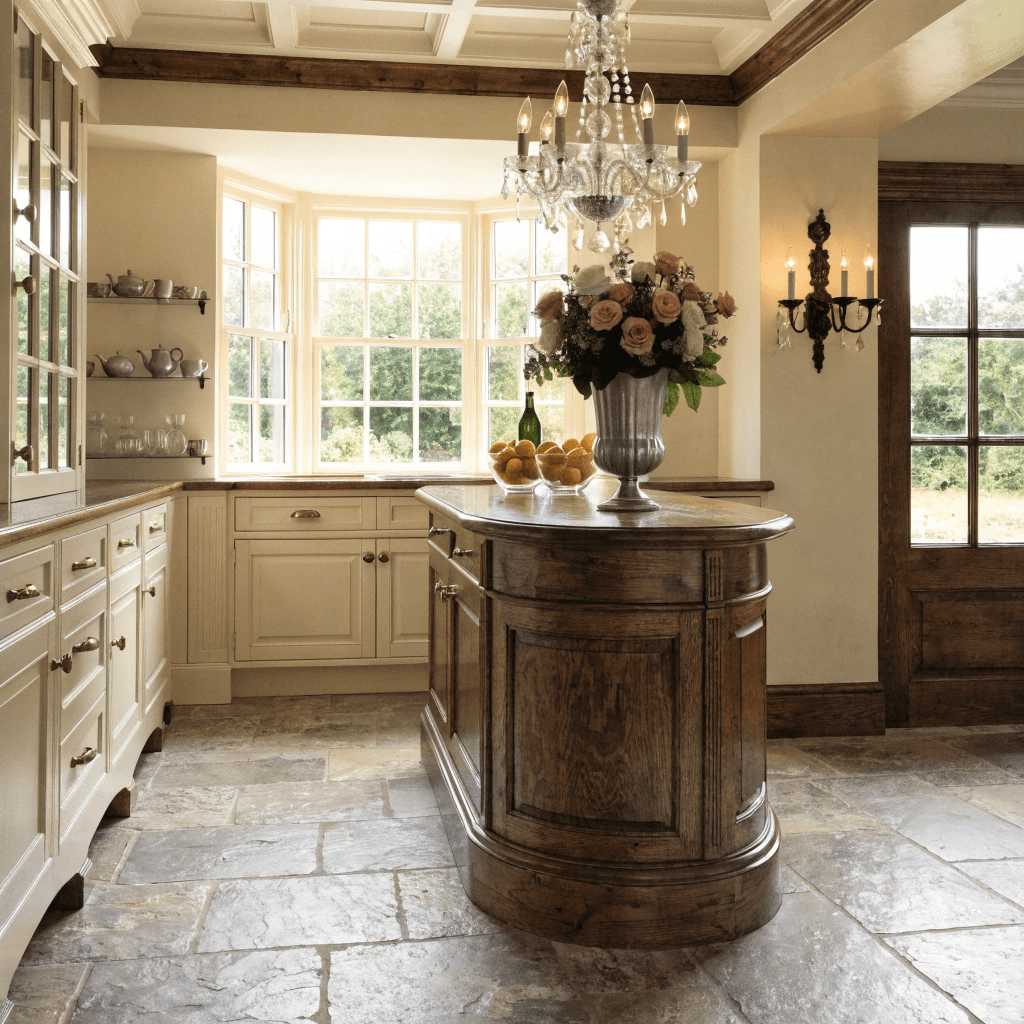
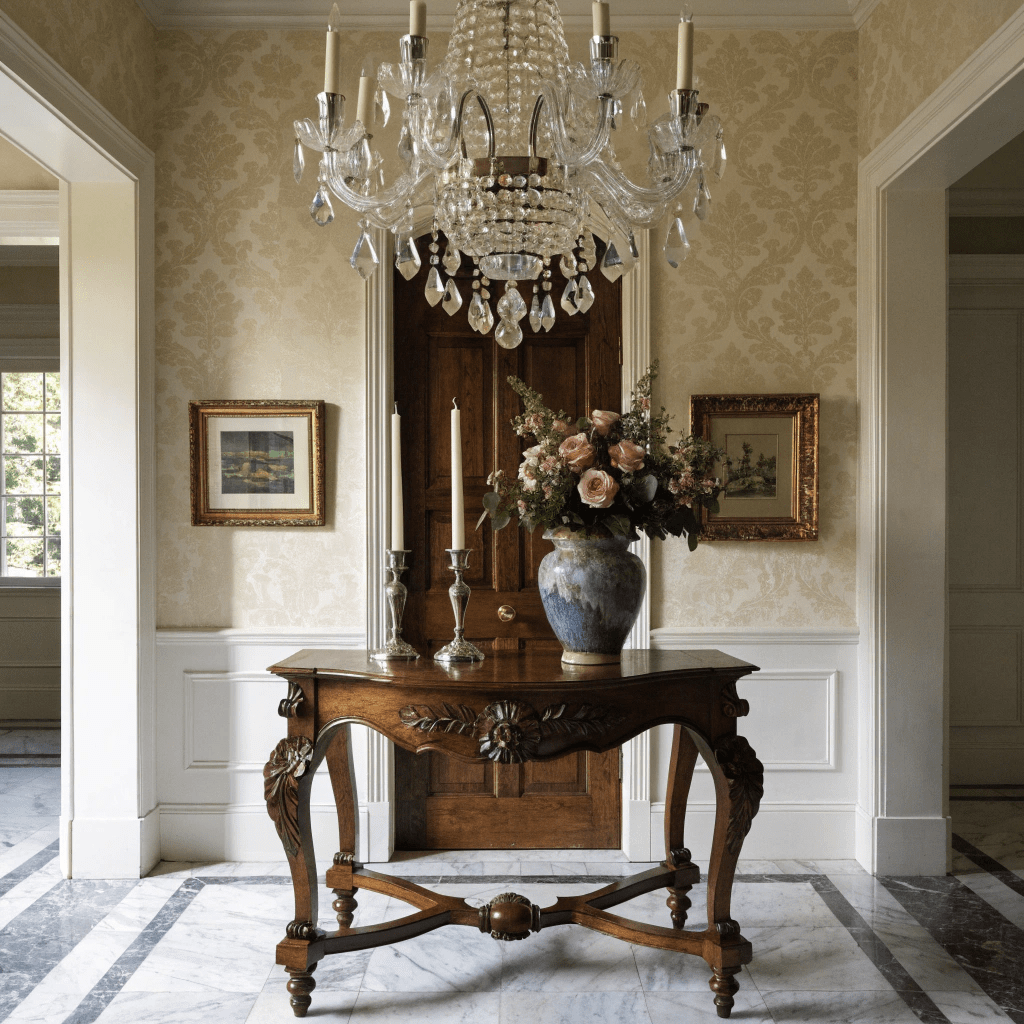
Wood furniture is a defining feature. Tables, cabinets, and sideboards are commonly made from rich woods such as walnut, cherry, or mahogany.
Another hallmark of traditional furniture is durability. Many pieces are designed to last for generations, contributing to the timeless nature of the style.
Traditional Lighting
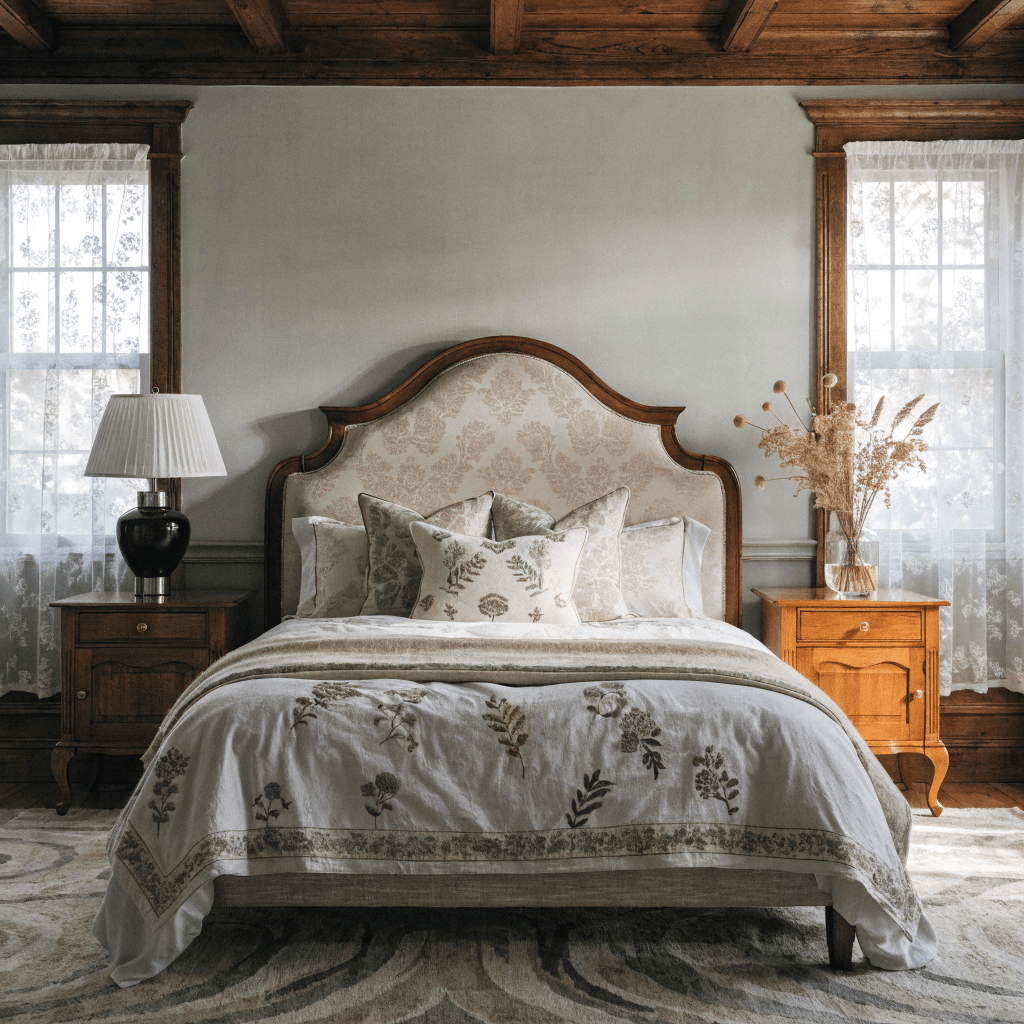
Lighting in traditional interiors emphasizes warmth and elegance. Instead of stark modern fixtures, traditional lighting often includes chandeliers, table lamps, and decorative sconces.
Crystal or brass chandeliers are commonly used in dining rooms and living spaces. Table lamps with fabric shades provide soft lighting that enhances the room’s warm atmosphere.
Natural light also plays an important role. Large windows with elegant curtains allow daylight to illuminate the room while maintaining privacy.
Traditional Accent Walls
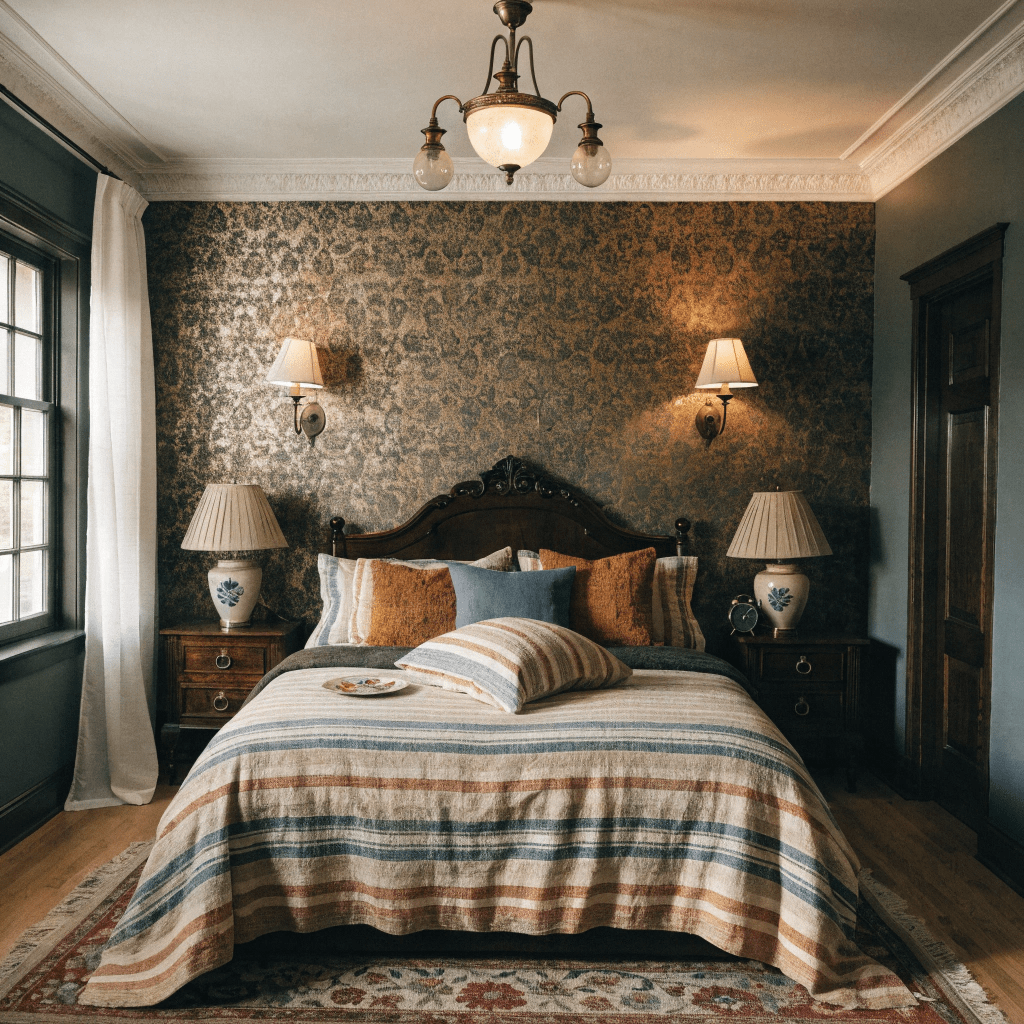
Accent walls in traditional interiors often rely on texture or pattern rather than bold colors.
Wallpaper, wood paneling, or decorative molding can create subtle focal points that add character to the room.
These elements enhance the elegance of the interior without overpowering the overall design.
Why Traditional Interior Design Remains Popular
Traditional interior design continues to attract homeowners because it feels familiar and comforting. In a world of constantly changing trends, traditional interiors provide stability and timeless beauty.
The style also adapts well to modern living. Many contemporary homes incorporate traditional elements—such as classic furniture or warm color palettes—to create interiors that feel both elegant and welcoming.
By combining rich materials, balanced layouts, and thoughtful decoration, traditional interiors create homes that feel refined yet comfortable for everyday life.